Introduction
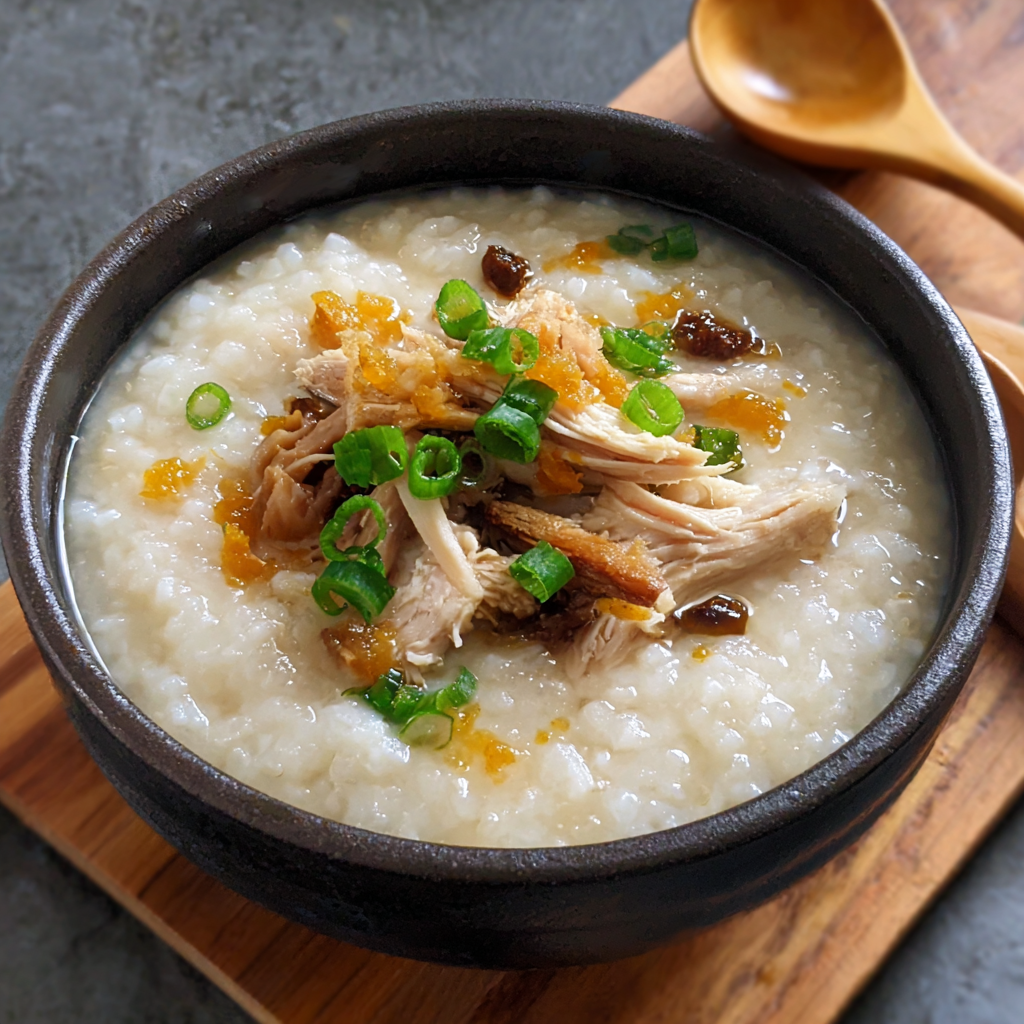
Congee is more than just a breakfast dish; it’s a comforting embrace on a chilly day or a soothing remedy when you're under the weather. This versatile rice porridge, often associated with various cultural traditions across Asia, offers a canvas for a myriad of flavors.
Whether you prefer it creamy and smooth or thick and hearty, congee can be customized to suit your palate. Join me as we explore an array of options that elevate this humble dish into a meal worthy of memorability.
Ingredients
- 1 cup jasmine rice
Jasmine rice is ideal for congee due to its fragrance and ability to break down easily during cooking. It contributes a silky texture that enhances the overall experience. - 8 cups water or chicken stock
Using water will yield a neutral flavor, while chicken stock introduces depth. The cooking liquid is crucial for achieving the desired consistency and essence of the dish. - 1 tablespoon ginger, minced
Ginger adds a warm, aromatic kick that complements the subtle flavors of congee. It also offers health benefits, providing anti-inflammatory properties. - Salt to taste
Salt is essential for enhancing all other flavors in the dish. It transforms the bland base into a well-rounded, savory experience. - Toppings (scallions, soy sauce, pickled vegetables, etc.)
These toppings not only add color and texture but also allow for personalization. Each garnish provides unique tastes that can elevate the humble porridge.
Directions & Preparation
Step 1: Rinse the rice under cold water until the water runs clear.
Rinsing the rice is essential to remove excess starch, preventing the congee from becoming overly gummy. This step also enhances the clarity of the final dish, allowing it to maintain a smooth consistency.
Step 2: Combine the rinsed rice and water or stock in a large pot.
The ratio of rice to liquid is pivotal for the perfect texture. A higher liquid content provides a smoother porridge, while less liquid yields a thicker dish. Adjust this according to preference.
Step 3: Bring the mixture to a boil over high heat.
Boiling the congee initially helps activate the starches in the rice. Once it reaches a boil, it forms the base that will eventually break down to a creamy consistency.
Step 4: Reduce heat to low, cover, and simmer for about 1 hour.
Maintaining a low simmer allows the rice to cook slowly and evenly. Stir occasionally to prevent sticking and uniform breakdown of the grains, enhancing the creamy factor.
Step 5: Add minced ginger and salt, adjusting to taste.
Incorporating ginger at this stage infuses the porridge with its warm flavor without overpowering the dish. Adjusting salt at this point allows you to control the savory balance.
Step 6: Serve hot with desired toppings.
Toppings transform the basic bowl of congee into an exciting meal. Choose your favorites to introduce layers of flavor and textures, creating a dish that feels uniquely yours.

Experimenting with Flavor Profiles
Congee's beauty lies in its adaptability. You can introduce flavors from different cuisines by infusing spices or adding ingredients like miso, saffron, or curry paste. Each addition can completely transform your bowl, taking it from traditional to innovative.
Creating a Meal from Leftover Ingredients
Congee thrives on creativity, making it a perfect platform for using leftovers. Vegetables, meats, or even leftover sauces can easily enhance your congee. This way, you not only minimize waste but also produce a hearty meal that’s unique each time.
The Art of Achieving the Perfect Consistency
Consistency is key in congee-making, and it can be easily adjusted. For a thicker texture, reduce the amount of liquid; for a more silky feel, increase the liquid and cook longer. Mastering this element allows you to tailor the dish to your own preference.
FAQs
What if my congee turns out too thick?
If your congee is too thick, simply add more water or stock, a little at a time, during the cooking process until you reach your desired consistency.
Can I use brown rice instead of jasmine rice?
Brown rice can be substituted, but it requires a longer cooking time and more liquid. Expect a nuttier flavor and chewier texture.
What if my congee tastes bland?
If your congee lacks flavor, increase the seasoning gradually, and consider adding more ginger or fragrant toppings like sesame oil or soy sauce for depth.
Can I prepare congee in advance?
Yes, congee can be made ahead of time. Reheat gently on the stove, adding extra liquid as needed to restore its creamy consistency.
How can I make a vegetarian version of congee?
To create a vegetarian congee, simply use vegetable stock instead of chicken stock and enrich it with your choice of vegetables and seasonings.
What are some unique toppings I can try?
Try toppings like braised mushrooms, diced tofu, or even a drizzle of chili oil to create diverse flavor profiles for your congee.
Can I make congee spicy?
Absolutely! Add ingredients such as chili paste, fresh jalapeños, or spicy pickles to customize the heat level to your liking.
Conclusion
Crafting a bowl of congee at home allows you to explore a world of flavors tailored to your taste. Its comforting consistency and versatility make it a beloved dish across cultures.
Whether enjoyed as a simple breakfast or an elegant dinner with gourmet toppings, congee remains a canvas for your culinary creativity. Embrace the process and enjoy the delight of each bite.
Recipe Card
Notes
Additional serving suggestions: pair with a crisp salad, garlic bread, or roasted seasonal vegetables for balance.
For make-ahead, prep components separately and assemble just before heating to preserve texture.
Taste and adjust with acid (lemon/vinegar) and salt right at the end to wake up flavors.