Introduction
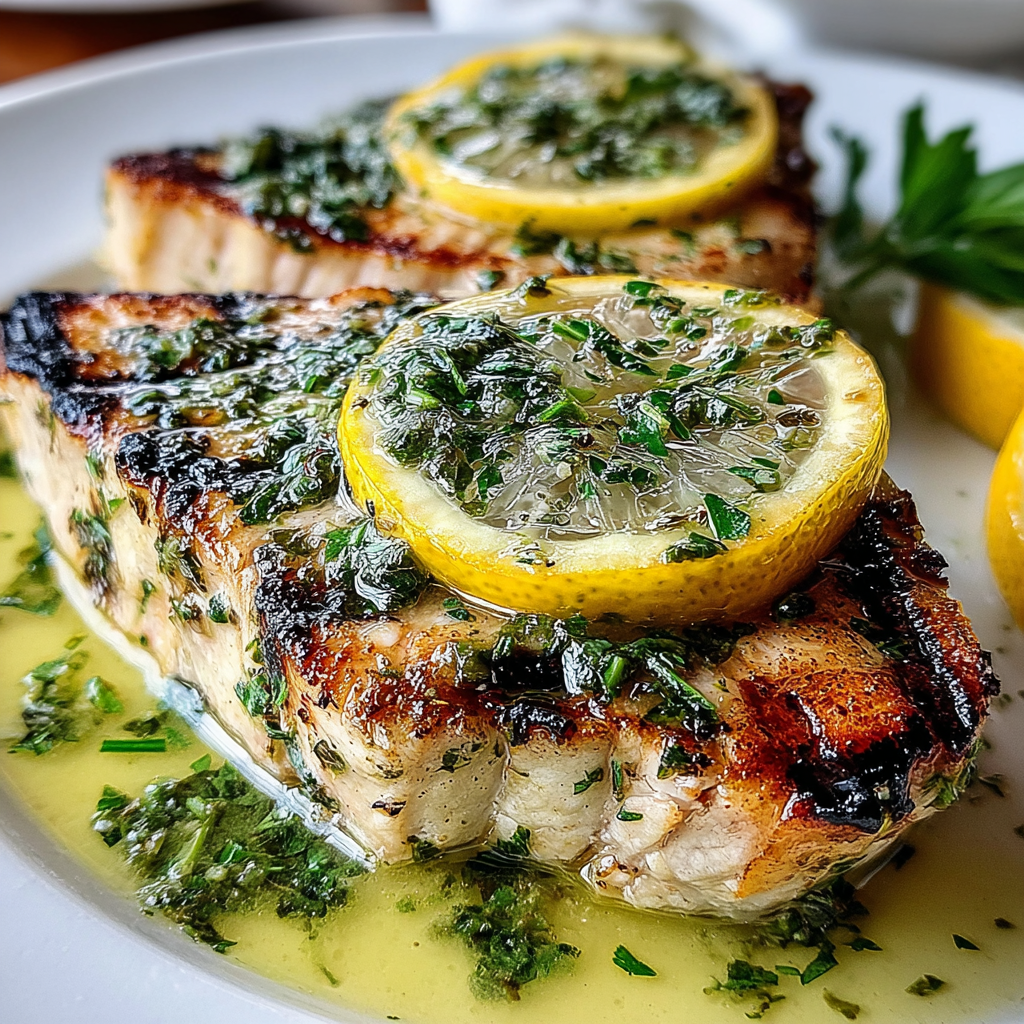
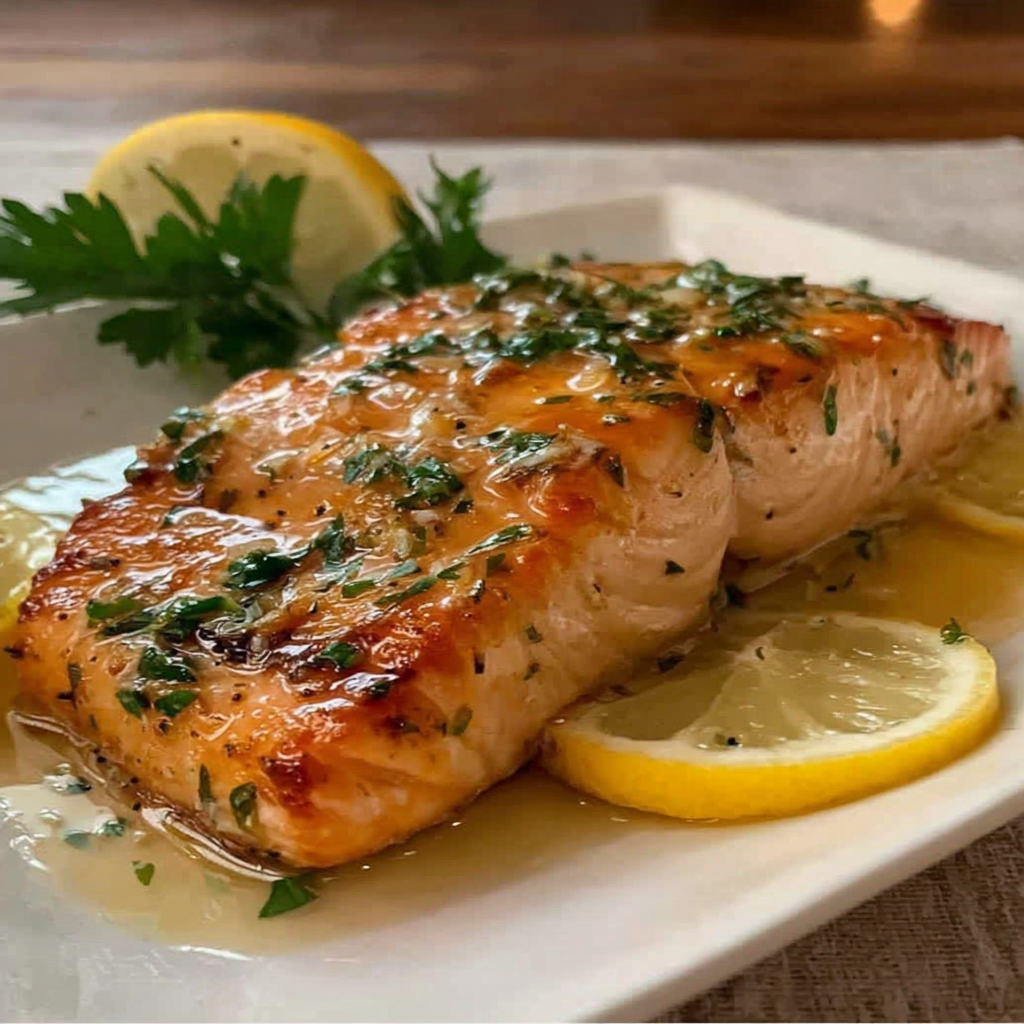
Baked garlic butter salmon is a delightful dish that brings a taste of the ocean to your dinner table. It's not only simple to prepare but also packed with flavors that elevate the natural richness of the salmon. This recipe shines due to its balance of garlic, butter, and lemon, creating a harmonious blend that pairs beautifully with the fish.
Whether you're a seasoned home cook or a beginner in the kitchen, this dish is approachable and rewarding. Perfect for a weeknight dinner or a special occasion, baked garlic butter salmon promises to impress. Serve it alongside your favorite sides for a complete meal that celebrates fresh ingredients and classic flavors.
Ingredients
- 4 salmon fillets (6 oz each)
Rich in omega-3 fatty acids, salmon is a flavorful fish that stays moist during baking. Choosing fresh or high-quality fillets ensures the best taste and texture. - 4 tablespoons unsalted butter
Butter adds richness and moisture to the dish, helping to keep the salmon tender. It also serves as a base for the garlic and herbs, infusing the fish with flavor. - 4 cloves garlic, minced
Fresh garlic is the star of the flavor profile, adding a pungent and aromatic quality. Minced garlic blends well with the butter, creating a fragrant sauce to complement the fish. - 1 tablespoon fresh lemon juice
Lemon juice adds a bright acidity that balances the richness of the butter and salmon. This freshness enhances the overall flavor, making the dish feel lighter. - 1 tablespoon fresh parsley, chopped
Parsley provides a burst of color and a fresh, slightly peppery taste. It can brighten the dish visually and flavor-wise, making it more appealing. - Salt and pepper to taste
Basic seasonings enhance the natural flavors of the salmon and the garlic butter sauce. Proper seasoning is crucial for bringing all the flavors together.
Directions & Preparation
Step 1: Preheat the oven to 350°F (175°C).
Preheating the oven is a vital step in baking as it ensures that your salmon cooks evenly. Starting with a hot oven helps seal in moisture and achieve a beautifully cooked fillet.
Step 2: Prepare a baking dish by greasing it lightly with cooking spray or butter.
Greasing the baking dish helps prevent the salmon from sticking, ensuring easy removal after baking. This step also aids in achieving a slightly crisp texture on the bottom.
Step 3: In a small saucepan, melt the butter over low heat.
Melting the butter gently ensures it doesn’t burn and allows you to incorporate the garlic seamlessly. Low heat helps extract the flavors from the garlic without browning it too much.
Step 4: Add minced garlic to the melted butter and sauté for about 1 minute.
Sautéing the garlic briefly in the melted butter allows its flavor to infuse into the mixture without burning. This step creates a rich, aromatic base for the salmon.
Step 5: Stir in the lemon juice, parsley, salt, and pepper into the garlic butter mixture.
Combining these ingredients in the butter not only enhances the flavor but also creates a delicious sauce to pour over the salmon, making each bite flavorful.
Step 6: Place the salmon fillets in the prepared baking dish, skin-side down.
Placing the salmon skin-side down helps protect the delicate fish from direct heat while allowing the butter sauce to seep in. It also aids in easy serving once cooked.
Step 7: Pour the garlic butter mixture over the salmon fillets evenly.
Distributing the sauce evenly ensures that each fillet is seasoned properly and gains flavor from the garlic and butter mixture, enhancing the overall taste.
Step 8: Bake in the preheated oven for 15-20 minutes, or until the salmon flakes easily with a fork.
Baking at the right temperature and for the right duration is crucial for achieving perfectly cooked salmon. The flakiness indicates doneness and ensures a tender texture.
Step 9: Remove the salmon from the oven and let it rest for a few minutes before serving.
Allowing the salmon to rest helps the juices redistribute throughout the fish, ensuring a moist and flavorful result. Resting also provides an opportunity for the flavors to settle.

Choosing the Right Salmon
When making baked garlic butter salmon, selecting the right type of salmon can make a significant difference in taste and texture. Wild salmon, such as sockeye or king, has a rich flavor and firm texture, while farmed salmon tends to be milder and fattier. Consider your preferences for flavor and sustainability when making your choice, as each type offers unique characteristics that can elevate your dish.
Variations on the Garlic Butter Sauce
While the classic garlic butter sauce pairs beautifully with salmon, feel free to get creative. Adding herbs like dill or tarragon can introduce fresh notes, while a touch of paprika or chili flakes can introduce a hint of heat. Experimenting with lemon zest or shallots can also enhance the complexity of the sauce, tailoring it to your specific tastes and making the dish your own.
Pairing Suggestions for Baked Salmon
Baked garlic butter salmon shines on its own, but it also pairs wonderfully with a variety of sides. Consider serving it alongside roasted vegetables for a colorful plate or creamy mashed potatoes for comfort. A light salad with a vinaigrette contrasts nicely with the richness of the salmon, while a refreshing grain salad adds texture and heartiness. Whichever sides you choose, they can complement the dish perfectly.
FAQs
What can I do if my salmon is overcooked?
If your salmon is overcooked, the best remedy is to serve it with a flavorful sauce or dressing to add moisture. Accompanying it with a side of creamy sauce can also enhance the overall experience of the dish.
Can I use frozen salmon for this recipe?
Yes, you can use frozen salmon, but make sure to thaw it completely before baking. Thawing ensures even cooking and prevents the fish from becoming rubbery.
How can I tell when the salmon is done baking?
Salmon is done when it flakes easily with a fork and has a slightly opaque center. If a food thermometer is used, it should read 145°F (63°C) internally.
What if my garlic butter sauce is too thick?
If your garlic butter sauce is too thick, simply add a teaspoon of warm water or more melted butter to reach your desired consistency. This will help create a smoother sauce that adheres nicely to the salmon.
Can I add extra vegetables to the baking dish?
Adding vegetables like asparagus, zucchini, or cherry tomatoes can be a fantastic way to incorporate more colors and flavors. Just ensure they are cut to a similar size for even cooking.
What should I do if my butter sauce burns?
If your butter sauce burns, it’s best to start anew with fresh butter and garlic, as burnt flavors can negatively impact the dish. Keep the heat low when melting butter to prevent this issue.
Conclusion
Baked garlic butter salmon is a dish that’s sure to impress both you and your guests. With its delightful blend of flavors and ease of preparation, it should become a staple in your weekly meal rotation. Remember, the key to great salmon lies in the quality of the ingredients and the care you take while cooking.
So, gather your ingredients, preheat your oven, and enjoy the warm and inviting aromas of baked garlic butter salmon filling your kitchen. Each bite will remind you why this dish is cherished by home cooks everywhere.
Recipe Card
Notes
Additional serving suggestions: pair with a crisp salad, garlic bread, or roasted seasonal vegetables for balance.
For make-ahead, prep components separately and assemble just before heating to preserve texture.
Taste and adjust with acid (lemon/vinegar) and salt right at the end to wake up flavors.