Introduction
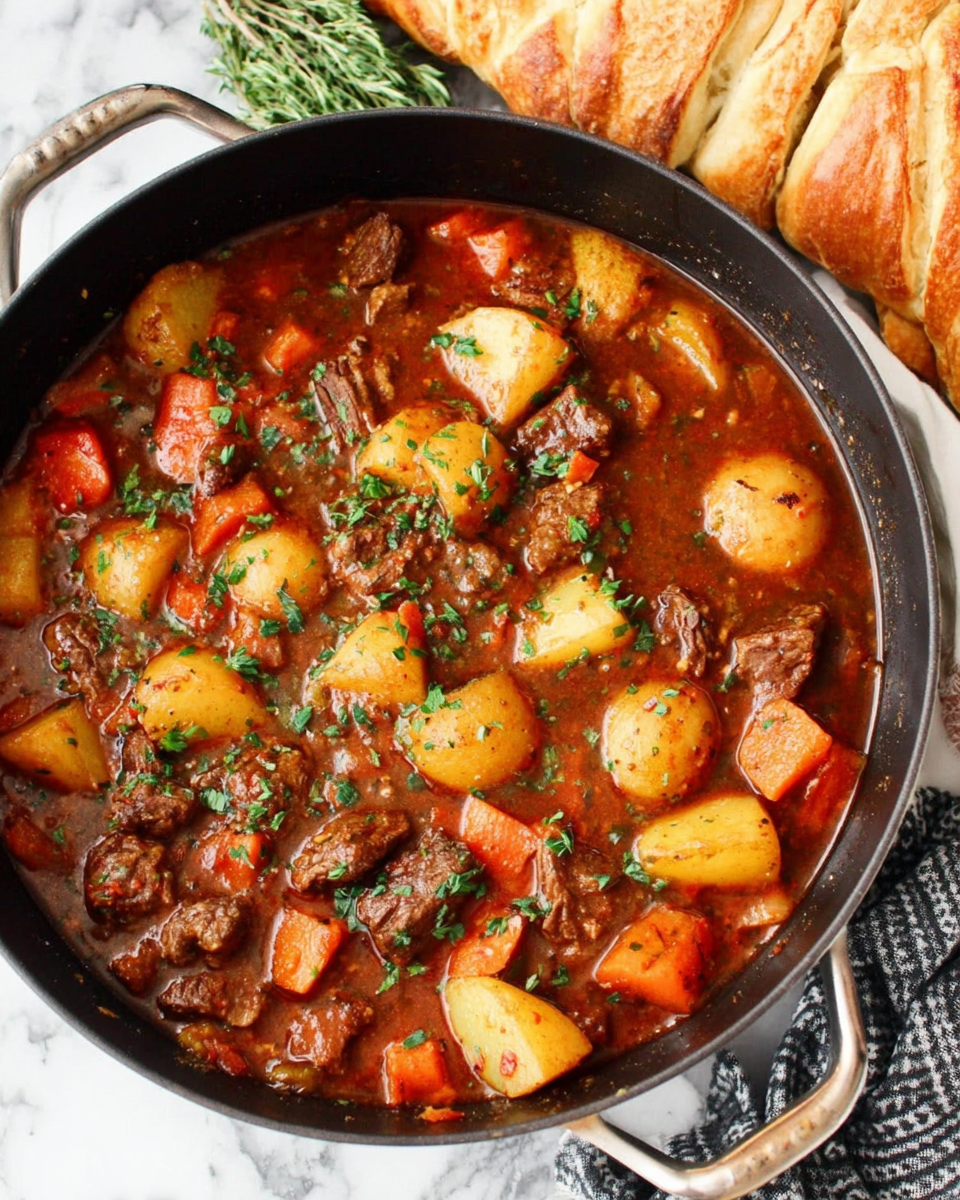
Beef stew is the epitome of comfort food, a dish that warms both the soul and the stomach. Slow-cooked to perfection, it transforms humble ingredients into a symphony of flavors that beckon from the dinner table. Whether it's a chilly evening or just a desire for something hearty, this dish delivers warmth and satisfaction.
The beauty of beef stew lies in its simplicity and versatility. With a mix of tender meat, root vegetables, and aromatic herbs, each bite is a reminder of home-cooked goodness. It’s the kind of meal that invites gatherings, storytelling, and shared moments. Prepare to embrace the cozy kitchen atmosphere as you embark on this cooking adventure.
Ingredients
- 2 lbs chuck roast, cut into 1-inch pieces
Chuck roast is ideal for stew because of its rich marbling which renders down during cooking, resulting in tender, juicy meat. Its robust flavor enhances the overall taste of the dish as it simmers. - 4 cups beef broth
Beef broth serves as the stew's foundational liquid, imparting a deep, savory flavor. It builds the overall taste profile and keeps the beef moist throughout the cooking process. - 4 medium carrots, sliced
Carrots add a natural sweetness to the stew, balancing the savory elements. They also provide texture and nutrition, making the dish feel wholesome. - 3 medium potatoes, diced
Potatoes are essential for heartiness; they soak up the flavors of the broth while becoming soft and comforting. Their starchy nature contributes to the stew's body. - 1 medium onion, chopped
Onions add a layer of depth to the flavor. When caramelized, they develop sweetness and richness, enhancing the overall aromatic profile of the stew. - 3 cloves garlic, minced
Garlic brings a pungent, savory flavor that enhances the taste of the beef and vegetables. It adds an aromatic quality that elevates the dish's complexity. - 2 tablespoons tomato paste
Tomato paste serves as a natural thickening agent and adds a subtle acidity, bringing brightness and depth to the stew. It complements the richness of the beef. - 1 tablespoon Worcestershire sauce
This sauce introduces an umami component, enhancing the savory notes of the dish. It deepens the flavor profile and balances the sweetness of the vegetables. - 2 teaspoons dried thyme
Thyme adds an earthy, herbal note that pairs beautifully with beef. It enriches the stew's aroma and complements the other seasonings. - 2 bay leaves
Bay leaves contribute a distinct, aromatic flavor that develops as the stew simmers. Removing them before serving ensures a clean taste without any bitterness. - Salt and pepper to taste
Seasoning is crucial for balancing and enhancing flavors. Adjusting salt and pepper allows you to personalize the dish to your and your family's preferences. - 2 tablespoons olive oil
Olive oil is used for browning the meat, contributing a rich flavor while also preventing sticking. It allows the beef to develop a lovely crust before simmering.
Directions & Preparation
Step 1: Heat the olive oil in a large pot over medium-high heat.
Heating the oil creates the ideal environment for browning the meat, which enhances flavor through the Maillard reaction. This step is crucial for developing that deeply savory taste in the finished stew.
Step 2: Season the beef chunks with salt and pepper, then add them to the pot in batches.
Browning the beef in batches prevents overcrowding, ensuring each piece sears properly. This caramelization packs in flavor and creates a rich base from which the stew will develop.
Step 3: Once browned, remove the beef and set it aside. Add the onions and garlic to the pot.
Cooking the onions and garlic after browning the beef allows them to absorb the leftover flavors in the pot, intensifying the dish. This step contributes to the savory depth of the stew.
Step 4: Stir in the tomato paste and Worcestershire sauce, cooking for a couple of minutes.
This step activates the tomato paste's sugars and concentrates the flavors, while Worcestershire sauce introduces umami, adding complexity. It ensures these ingredients meld into the aromatic base.
Step 5: Add the beef back to the pot, along with the carrots, potatoes, thyme, bay leaves, and beef broth.
Combining these ingredients is where the stew truly comes together. The vegetables add sweetness and texture while the broth infuses everything with its rich, deep flavor.
Step 6: Bring the mixture to a simmer, then reduce heat to low and cover the pot.
Simmering allows the flavors to meld and the beef to become tender. Low heat ensures a gentle cook, preventing the meat from becoming tough while deepening the aroma.
Step 7: Let the stew simmer for about 2 to 3 hours, stirring occasionally.
Stirring occasionally helps to distribute flavors and prevents anything from sticking to the bottom. This slow cooking time is essential for tenderizing the beef and melding the flavors.
Step 8: During the last 30 minutes, taste and adjust seasoning as necessary.
Adjusting seasoning towards the end allows for better control over flavor intensity, ensuring it isn't overpowered. This final taste check personalizes the dish according to your palate.
Step 9: Remove the bay leaves before serving the stew.
Bay leaves are not meant to be eaten; they can impart a bitter flavor if left in. Ensuring they are removed contributes to a clean-tasting final dish.
Step 10: Serve the beef stew hot and enjoy with crusty bread or over mashed potatoes.
Serving it hot enhances the comforting experience, while pairing with bread or potatoes soaks up flavorful broth, creating a well-rounded meal.

The Importance of Browning
The initial browning of the beef is a vital stage in crafting the perfect beef stew. This step not only seals in the meat's juices, ensuring tenderness, but also develops complex flavors through caramelization. Each browned piece adds depth to the stew, making it robust and flavorful, setting the tone for the entire dish.
Choosing the Right Cut
Selecting the chuck roast is key as it stands up beautifully to long cooking times thanks to its connective tissue that breaks down into gelatin. This transformation adds richness to the stew's texture and flavor, creating a luxurious mouthfeel. Understanding cuts of meat and their properties can transform your stew into a true culinary delight.
Building Layers of Flavor
A well-executed beef stew is all about layering flavors. Using ingredients like onions, garlic, and fresh herbs not only contributes to the aroma but also builds a harmonious taste experience. Each component, from the beef to the vegetables, brings something unique, creating a final product that vibrates with the essence of home-cooked comfort.
FAQs
What if I notice my stew is too thick?
If the stew is too thick, simply stir in a bit more beef broth or water until it reaches the desired consistency.
Can I add different vegetables to this stew?
Absolutely! You can include vegetables like peas, green beans, or even mushrooms to vary the flavor and texture.
What can I do if my beef becomes too tough?
If the beef turns out tough, it may need a longer cooking time. Return it to the heat and allow it to simmer longer until it becomes tender.
How can I enhance the stew’s flavor further?
For a deeper flavor, consider deglazing the pot with red wine before adding broth; it adds richness and complexity.
Can I substitute the chuck roast for a different cut of beef?
You can use brisket or round cuts, but ensure they have enough connective tissue to become tender during cooking.
What should I do if the broth is too salty?
If the stew ends up too salty, adding additional diced potatoes can help absorb some of the saltiness.
Conclusion
Creating a beef stew is less about precision and more about savoring the process. With each step, the hearty ingredients come together to form a comforting dish that nourishes body and spirit alike.
Whether enjoyed on a chilly evening or as a delightful family meal, this dish exemplifies the joy of home cooking. Let it be a reminder of the traditions and memories that good food creates.
Recipe Card

Indulge in Amazing Pesto Shrimp Linguine
Ingredients
- 12 oz linguine
- 1 lb shrimp peeled and deveined
- 1 cup basil pesto
- 2 tbsp olive oil
- 3 cloves garlic minced
- Salt and pepper to taste
- ¼ cup grated Parmesan cheese
- Cherry tomatoes halved (optional)
Instructions
- Cook the linguine according to package instructions
- Sauté the garlic in olive oil
- Add the shrimp to the skillet
- Mix in the pesto and cooked linguine
- Add reserved pasta water as needed
- Season with salt and pepper
- Serve with Parmesan and optional tomatoes
Notes
Additional serving suggestions: pair with a crisp salad, garlic bread, or roasted seasonal vegetables for balance.
For make-ahead, prep components separately and assemble just before heating to preserve texture.
Taste and adjust with acid (lemon/vinegar) and salt right at the end to wake up flavors.