Introduction
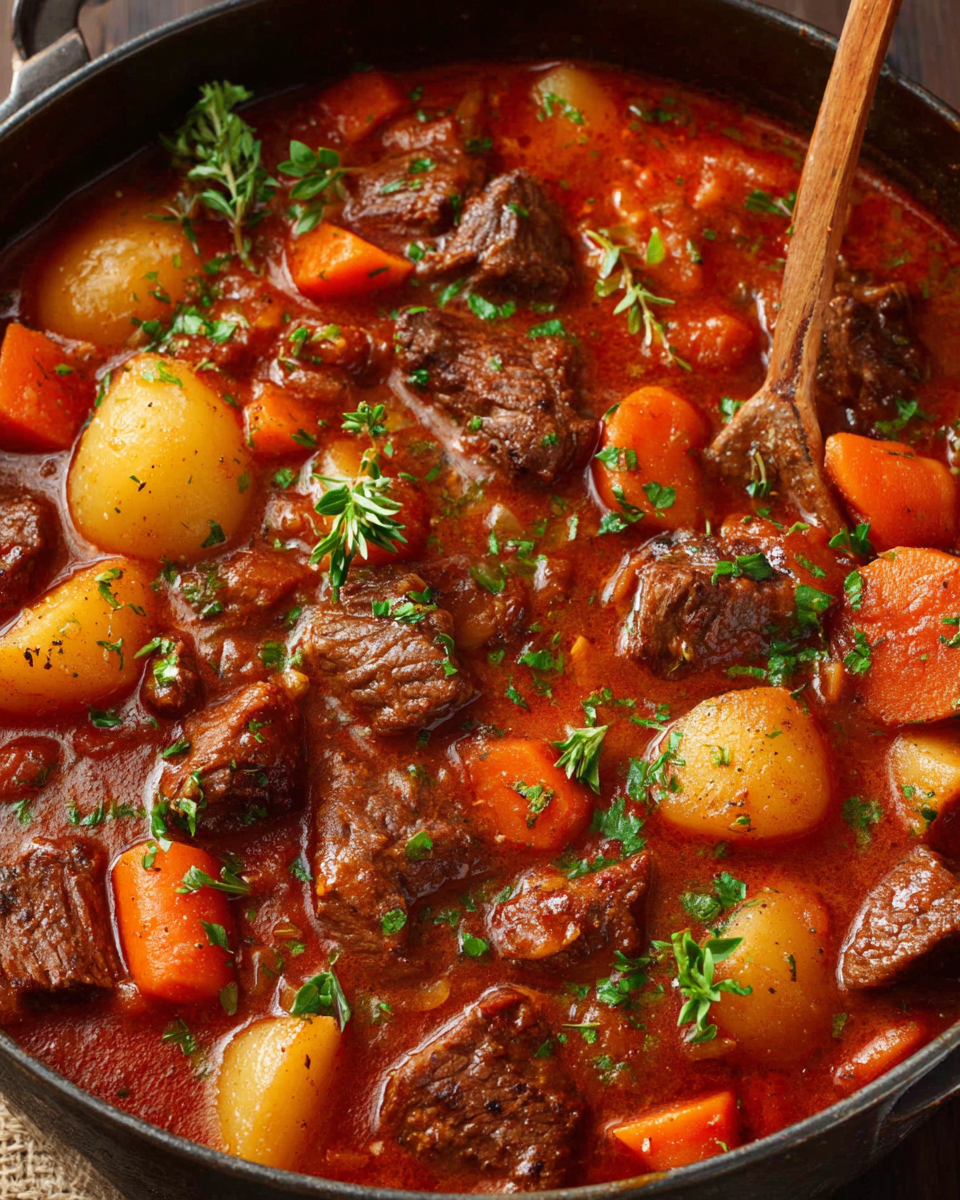
Beef stew is a comforting classic that warms the soul, perfect for chilly evenings. With its rich flavors and tender meat, it's a meal that brings family and friends together. The beauty of beef stew is in its simplicity, making it a great option for both novice and experienced cooks.
This dish highlights the natural flavors of its ingredients, typically simmered slowly to achieve a depth of flavor that is both satisfying and nourishing. As we dive into what makes a great beef stew, we'll explore tips and ingredients that elevate this hearty treat.
Ingredients
- 2 pounds beef chuck, cut into 1-inch cubes
Beef chuck is ideal for stews due to its balance of meat and fat, allowing for tenderness and rich flavor when braised. - 1 tablespoon vegetable oil
This oil is used for browning the meat, creating a flavorful crust that adds depth to the overall dish. - 1 large onion, chopped
Onion provides a savory base for the stew, adding sweetness and complexity as it cooks down. - 3 cloves garlic, minced
Garlic infuses the stew with aromatic flavors and enhances the overall taste profile. - 4 carrots, sliced
Carrots add both sweetness and color to the stew, balancing the savory elements with their natural sugars. - 3 ribs celery, chopped
Celery offers a fresh, herbal crunch that complements the other vegetables in the stew. - 4 cups beef broth
High-quality beef broth serves as the foundation of the stew's liquid, enriching the flavor profile. - 2 bay leaves
Bay leaves impart a subtle earthiness, enhancing the overall aromatic quality of the stew. - 1 teaspoon dried thyme
Thyme adds a warm, slightly minty flavor that pairs beautifully with beef and heartier vegetables. - 1 teaspoon salt, or to taste
Salt is crucial for enhancing and balancing all the flavors in the dish. - 1/2 teaspoon black pepper
Black pepper provides a mild spice and aromatic warmth to the stew. - 1 tablespoon Worcestershire sauce
This ingredient deepens the umami flavor, elevating the entire dish and adding a hint of tanginess. - 3 medium potatoes, diced
Potatoes add heartiness and soak up the stew's rich flavors, contributing to a comforting texture. - 1 cup frozen peas
These add a pop of color and fresh sweetness at the end of cooking without requiring long simmering.
Directions & Preparation
Step 1: Brown the beef in oil
Heat the vegetable oil in a large pot over medium-high heat. Add the beef cubes in batches, ensuring not to crowd the pan. Browning the meat caramelizes the surface, which adds rich flavor to the stew. Let each side brown well for about 5-7 minutes before removing the beef and adding the onions.
Step 2: Sauté the aromatics
In the same pot, add the chopped onion and garlic, stirring frequently for about 3-4 minutes until the onions are translucent and fragrant. This step builds a base flavor that will permeate the stew, creating a delicious aromatic profile.
Step 3: Add vegetables and broth
Stir in the carrots, celery, potatoes, and the browned beef. Pour in the beef broth along with the bay leaves, dried thyme, Worcestershire sauce, salt, and black pepper. The mixture should just cover the ingredients, as this liquid will create the stew's rich sauce.
Step 4: Simmer the stew
Bring the pot to a gentle boil, then reduce the heat to low and cover. Allow the stew to simmer for at least 1.5 to 2 hours. During this long, slow cook, the beef will become tender, and the flavors will meld, resulting in the comforting essence of a classic beef stew.
Step 5: Add peas and adjust seasoning
In the final 10-15 minutes of cooking, stir in the frozen peas. This last step not only adds a touch of sweetness and color, but also prevents the peas from overcooking. Taste and adjust seasoning if necessary, ensuring every aspect of the stew shines.
Step 6: Serve and enjoy
Ladle the stew into bowls and serve hot. Consider pairing it with crusty bread or over rice for a complete meal. The aroma will draw everyone to the table, and each spoonful will radiate warmth and satisfaction.

Choosing the Right Cut of Beef
Selecting the right cut of beef is crucial for a successful stew. Chuck roast is a favorite due to its marbling and connective tissue, which break down during cooking, resulting in tender, flavorful meat. Avoid lean cuts like sirloin, as they can become tough when stewed. A little fat is essential for flavor and richness.
Enhancing Flavor with Herbs and Spices
Herbs elevate a beef stew with layers of flavor. Dried herbs like thyme, rosemary, or bay leaves can deepen the taste, while fresh herbs added at the end can brighten the dish. Experiment with spices such as paprika or even a dash of cayenne for a kick; just remember to balance the flavors to cater to your palate.
The Importance of Proper Simmering
Simmering is where the magic happens in a beef stew. A low and slow simmer allows collagen in the meat to break down, resulting in a tender and flavorful dish. Maintaining a gentle simmer prevents boiling, which can make the meat tough. Stir occasionally and adjust heat as needed to ensure a consistent simmer.
FAQs
What can I do if my beef stew is too thick?
If your stew turns out thicker than desired, simply add a splash of beef broth or water to achieve your preferred consistency.
What if my stew is bland?
If the flavor seems lacking, add more salt or a splash of Worcestershire sauce to enhance the umami. Fresh herbs right before serving can also brighten the taste.
Can I use other vegetables in this beef stew?
Yes, feel free to incorporate other hearty vegetables like parsnips, turnips, or even mushrooms, adjusting the cooking times as necessary.
What should I do if the potatoes are not cooked through?
If the potatoes remain firm after the stew has finished cooking, cover and let it sit off the heat for another 15 minutes, allowing residual heat to soften them.
Can I substitute different types of beef?
While chuck is recommended, you could use brisket or shank. Just keep in mind that cooking times may vary depending on the cut.
What if my beef chunks are not browning well?
Ensure your pan is hot enough before adding the meat and avoid overcrowding, as this can cause steaming instead of browning.
Conclusion
Making beef stew from scratch is a rewarding culinary experience that results in a comforting meal perfect for sharing. Each ingredient plays a role in building a depth of flavor that resonates with warmth and satisfaction, making it an ideal choice for cold days.
With a few thoughtful choices and some patience, your stew can become a staple in your home cooking repertoire. Embrace the process, adjust as needed, and enjoy the delicious results of your efforts.
Recipe Card

A Flavorful Take on the Classic Shrimp Po’ Boy
Ingredients
- 1 pound large shrimp peeled and deveined
- 1 cup buttermilk
- 1 cup all-purpose flour
- 1 cup cornmeal
- 1 teaspoon cayenne pepper
- 1 teaspoon paprika
- Salt and pepper to taste
- 4 hoagie rolls or French baguettes
- Lettuce shredded
- Tomato sliced
- Remoulade sauce for serving
Instructions
- Prepare the shrimp marinade.
- Combine dry ingredients for the coating.
- Heat the oil for frying.
- Coat the shrimp.
- Fry the shrimp.
- Drain and season the fried shrimp.
- Assemble the po’ boy sandwich.
- Serve immediately.
Notes
Additional serving suggestions: pair with a crisp salad, garlic bread, or roasted seasonal vegetables for balance.
For make-ahead, prep components separately and assemble just before heating to preserve texture.
Taste and adjust with acid (lemon/vinegar) and salt right at the end to wake up flavors.