Introduction
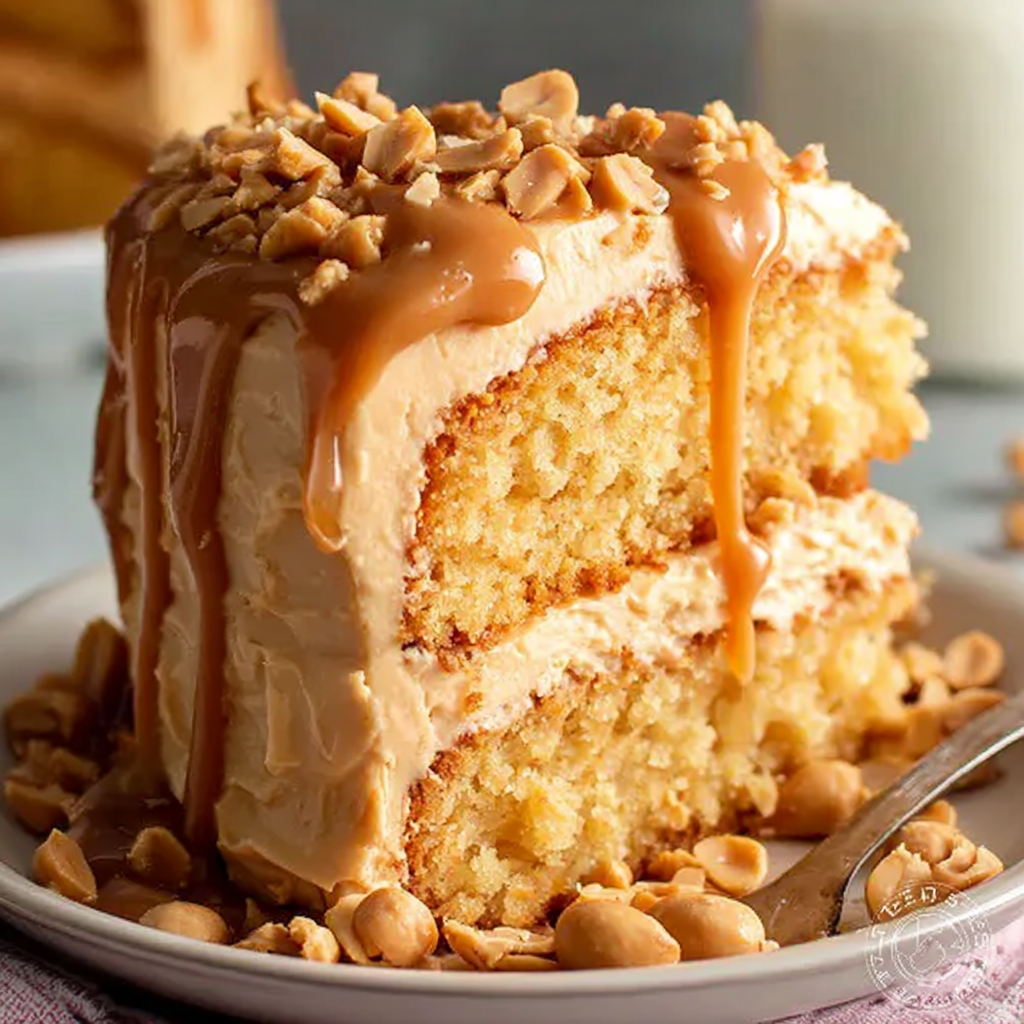
Peanut butter lovers, rejoice! This Peanut Butter Cake with Peanut Butter Frosting is a celebration of that beloved nutty spread, turning it into a moist, rich dessert that will leave your taste buds tingling. Each bite carries the comforting flavors of home-baked goodness, perfectly complemented by a creamy frosting that enhances the peanut butter experience.
Baking can sometimes feel overwhelming, but this recipe breaks down the process into enjoyable, manageable steps. Whether you're a seasoned baker or someone just starting out, this cake will help you grow your skills while treating loved ones to a truly delightful dessert. Grab your apron, and let's get started on this delicious adventure!
Ingredients
- 2 cups all-purpose flour
All-purpose flour is the backbone of the cake, providing structure and stability. It combines well with other ingredients to create a tender crumb that isn't too dense. - 1 ½ cups granulated sugar
Sugar sweetens the cake and plays a vital role in its texture. It helps to create a moist and tender cake by retaining water during baking. - ½ cup unsalted butter, softened
Butter adds richness and a lovely flavor to the cake, contributing to its moisture. Softening the butter allows it to incorporate more easily with sugar, leading to a better texture. - 1 cup creamy peanut butter
Peanut butter is the star ingredient in this cake, imparting a distinct nutty flavor and moisture. It contributes to both the cake's taste and its texture. - 3 large eggs
Eggs provide structure and stability while also enriching the cake. They bind the ingredients together and add moisture, leading to a tender crumb. - 1 teaspoon vanilla extract
Vanilla extract enhances the cake's flavor profile, harmonizing the sweetness and nutty notes. It's a simple ingredient that adds depth to the overall taste. - 1 cup buttermilk, at room temperature
Buttermilk reacts with the baking soda to create a light and fluffy cake. Its acidity helps tenderize the cake, contributing to a moist texture. - 1 teaspoon baking powder
Baking powder is a leavening agent that helps the cake rise. It works with the other ingredients to create a fluffy texture, giving the cake its desired volume. - 1 teaspoon baking soda
Baking soda also acts as a leavening agent, providing lift to the cake. Its reaction with buttermilk enhances the cake's rise and texture. - ½ teaspoon salt
Salt balances the sweetness and enhances the overall flavor of the cake. It also helps to strengthen the gluten structure, contributing to a better texture. - 2 cups powdered sugar
Powdered sugar is essential for the frosting, providing sweetness and a smooth texture. It dissolves easily, ensuring a creamy consistency. - 1 cup creamy peanut butter for frosting
Using peanut butter in the frosting keeps the flavor consistent with the cake, creating a cohesive taste experience. It adds richness and helps achieve a creamy texture. - ¼ cup unsalted butter, softened for frosting
Butter in the frosting adds creaminess and flavor. Softened butter creams well with powdered sugar, leading to a nice, fluffy frosting. - 2 tablespoons milk (or as needed)
Milk is used to adjust the consistency of the frosting. Depending on desired thickness, adding a bit of milk can help achieve a spreadable texture.
Directions & Preparation
Step 1: Preheat the oven to 350°F (175°C) and prepare baking pans.
Preheating your oven ensures that the baking temperature is consistent from the start, which is vital for proper cake rising. Grease and line two 9-inch round cake pans to prevent sticking and facilitate easy removal.
Step 2: In a large mixing bowl, cream together the softened butter and sugar until light and fluffy.
Creaming butter and sugar properly helps to incorporate air into the mixture, leading to a lighter texture in the finished cake. Make sure the mixture turns pale and fluffy, which usually takes about 3-5 minutes.
Step 3: Mix in the creamy peanut butter until thoroughly combined.
Adding peanut butter after creaming butter and sugar helps incorporate it smoothly into the mixture. This step ensures that the cake retains that delicious peanut butter flavor throughout.
Step 4: Add the eggs one at a time, mixing well after each addition.
Incorporating eggs individually allows each to emulsify into the mixture properly, ensuring an even blend. This step is crucial for developing a stable structure in the cake as it bakes.
Step 5: Stir in the vanilla extract and buttermilk until just combined.
Adding buttermilk creates a chemical reaction with the leavening agents, which is essential for the cake’s fluffiness. Mixing until just combined prevents overmixing, which can toughen the cake.
Step 6: In a separate bowl, sift together the flour, baking powder, baking soda, and salt.
Sifting these dry ingredients together helps ensure an even distribution of leavening agents and salt, preventing clumps. It also aerates the flour for better mixing.
Step 7: Gradually add the dry ingredients to the wet mixture, mixing until just combined.
Adding the dry ingredients gradually allows for better control and prevents overmixing. Mixing until just combined helps maintain the tender crumb of the cake.
Step 8: Divide the batter evenly between the prepared pans and smooth the top.
Evenly dividing the batter ensures that both cakes rise uniformly, resulting in even layers. Smoothing the top helps to achieve an attractive finish post-baking.
Step 9: Bake in the preheated oven for 25-30 minutes or until a toothpick comes out clean.
Baking time is crucial; check for doneness with a toothpick to ensure the cake is fully cooked. If the toothpick has wet batter, give it a few more minutes, but avoid overbaking.
Step 10: Remove the cakes from the oven and let them cool in the pans for 10 minutes before inverting onto a wire rack.
Cooling in the pans for a brief period allows the cakes to set, making them easier to invert without breaking. After that, transferring them to a wire rack helps cool them completely.
Step 11: Prepare the peanut butter frosting by creaming together the softened butter and peanut butter.
Creaming these two ingredients together at the start ensures the frosting is smooth and well-combined. This step is key for achieving a creamy, spreadable consistency.
Step 12: Gradually add in the powdered sugar and mix well until the frosting is fluffy.
Adding powdered sugar in stages helps to control the mixture's thickness and incorporates air, making the frosting light and fluffy. Mix until the sugar is fully incorporated.
Step 13: Add milk as needed to reach the desired consistency for spreading.
Adjusting the frosting with milk allows you to achieve your desired thickness. A spreadable frosting is essential for an easier and prettier application on the cake layers.
Step 14: Once the cakes are completely cool, frost the top of one layer, add the second layer, and frost the top and sides.
Applying frosting to a completely cool cake prevents it from melting and sliding. Creating an even layer of frosting enhances presentation and ensures every bite is flavorful.
Step 15: Decorate with additional peanut butter or chopped peanuts, if desired.
Adding a decorative touch not only makes the cake visually appealing but also enhances the flavor with extra crunch and nuttiness. This step allows personal creativity in presentation.
Step 16: Slice, serve, and enjoy your delicious creation!
Serving the cake at the end lets you savor the fruits of your labor. Sharing it with friends or family makes the effort worthwhile, and you’ll surely receive rave reviews!

The Allure of Peanut Butter
Peanut butter has a timeless appeal, seamlessly blending into various dishes, desserts, and snacks. It brings a sweet nuttiness that can elevate any recipe. In this cake, peanut butter plays a dual role by providing both flavor and moisture, ensuring a rich, decadent dessert that satisfies cravings.
Creating the Perfect Frosting
Frosting can make or break a cake, and this peanut butter frosting is creamy, luscious, and packed with flavor. By creaming together butter and peanut butter before adding the powdered sugar, you achieve a smooth consistency that's easy to spread over the cake layers. Adjust it with milk for your preferred texture, ensuring it complements the rich flavor of the cake.
Serving Suggestions for Your Cake
This Peanut Butter Cake shines on its own but can be enriched by pairing it with a scoop of vanilla ice cream on the side. For a fun twist, serve it with chocolate drizzle or a sprinkle of chopped roasted peanuts to enhance its nutty richness. Each combination highlights the cake's standout flavors.
FAQs
What should I do if my frosting is too thick?
If your frosting is too thick, slowly add more milk, one tablespoon at a time, while mixing until it reaches your desired spreadability.
The cake came out bland; what did I do wrong?
If your cake is bland, it could be due to under-measuring sugar or not fully mixing the ingredients. Ensure all ingredients are correctly measured and thoroughly mixed.
Can I substitute an ingredient if I want to make a healthier version?
You can replace part of the all-purpose flour with whole wheat flour or use a natural sweetener instead of sugar to create a healthier version.
How can I tell if my cake is overcooked?
An overcooked cake will often have a dry, crumbly texture and a darker crust. It's crucial to monitor baking time and check for doneness early.
What do I do if my cake layers aren't level?
If your cake layers aren’t level, you can use a serrated knife to carefully trim the tops to make them flat before frosting.
Why did my cake sink in the middle?
A cake sinking in the middle is usually due to overmixing the batter or opening the oven door too early, which causes it to lose structure.
Conclusion
Creating a peanut butter cake with rich peanut butter frosting is a rewarding experience that fills your kitchen with delightful aromas. This recipe encourages experimentation and adaptation, allowing you to make it your own.
Enjoy this cake as a special treat for birthdays, gatherings, or simply because you deserve a sweet moment. Remember, baking is about joy, so don't hesitate to share your creation with family and friends!
Recipe Card

Decadent Peanut Butter Cake with Frosting Recipe
Ingredients
- 2 cups all-purpose flour
- 1 ½ cups granulated sugar
- ½ cup unsalted butter softened
- 1 cup creamy peanut butter
- 3 large eggs
- 1 teaspoon vanilla extract
- 1 cup buttermilk at room temperature
- 1 teaspoon baking powder
- 1 teaspoon baking soda
- ½ teaspoon salt
- 2 cups powdered sugar
- 1 cup creamy peanut butter for frosting
- ¼ cup unsalted butter softened for frosting
- 2 tablespoons milk or as needed
Instructions
- Preheat the oven to 350°F (175°C) and prepare baking pans.
- In a large mixing bowl, cream together the softened butter and sugar until light and fluffy.
- Mix in the creamy peanut butter until thoroughly combined.
- Add the eggs one at a time, mixing well after each addition.
- Stir in the vanilla extract and buttermilk until just combined.
- In a separate bowl, sift together the flour, baking powder, baking soda, and salt.
- Gradually add the dry ingredients to the wet mixture, mixing until just combined.
- Divide the batter evenly between the prepared pans and smooth the top.
- Bake in the preheated oven for 25-30 minutes or until a toothpick comes out clean.
- Remove the cakes from the oven and let them cool in the pans for 10 minutes before inverting onto a wire rack.
- Prepare the peanut butter frosting by creaming together the softened butter and peanut butter.
- Gradually add in the powdered sugar and mix well until the frosting is fluffy.
- Add milk as needed to reach the desired consistency for spreading.
- Once the cakes are completely cool, frost the top of one layer, add the second layer, and frost the top and sides.
- Decorate with additional peanut butter or chopped peanuts, if desired.
- Slice, serve, and enjoy your delicious creation!
Notes
Additional serving suggestions: pair with a crisp salad, garlic bread, or roasted seasonal vegetables for balance.
For make-ahead, prep components separately and assemble just before heating to preserve texture.
Taste and adjust with acid (lemon/vinegar) and salt right at the end to wake up flavors.