Introduction
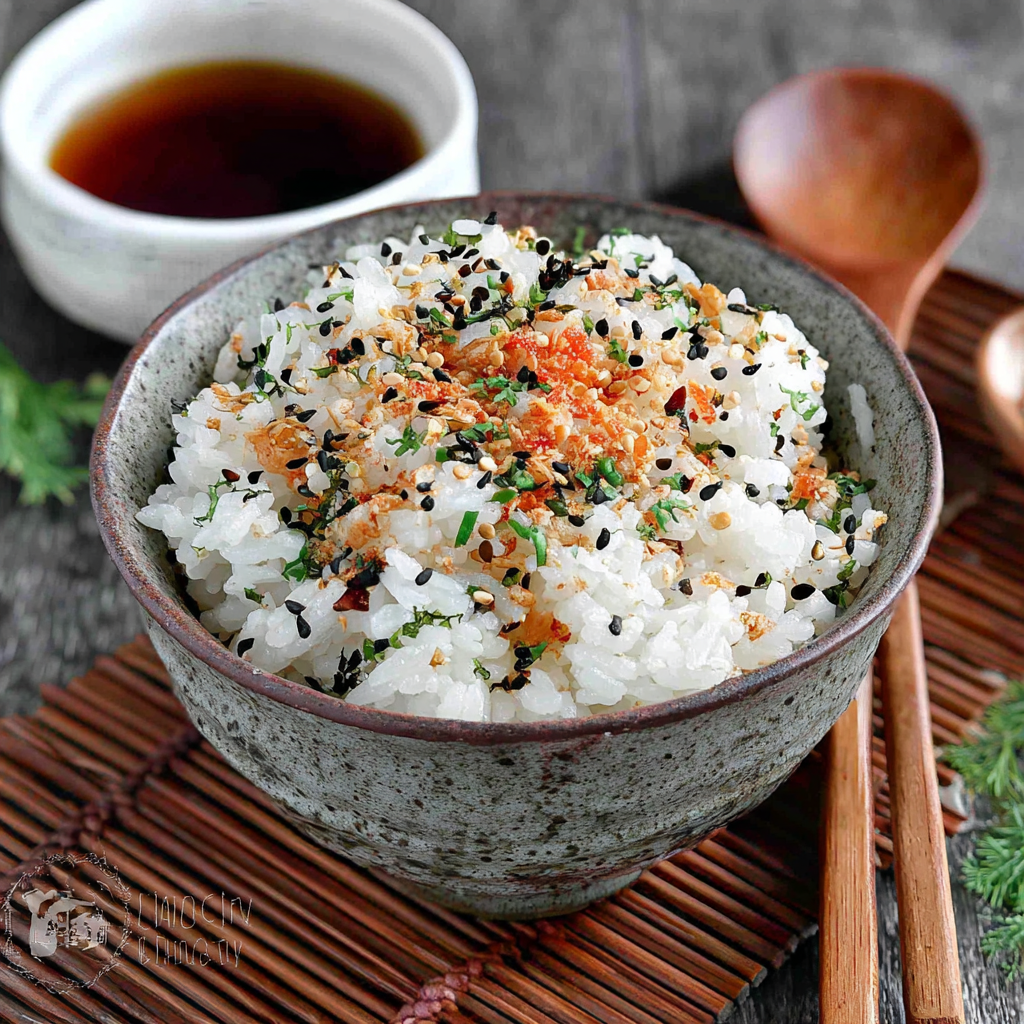
Japanese white rice is more than just a side dish; it is a cornerstone of Japanese cuisine that embodies tradition and culture. With its glossy appearance and delicate texture, it serves as the perfect base for a variety of meals, from sushi to hearty stews.
Cooking this staple might seem straightforward, but achieving the perfect consistency requires attention to detail and respect for the ingredients. The secret lies in balancing water, heat, and time to awaken the inherent flavors of this grain.
In this article, we will explore the ingredients needed, step-by-step directions for preparation, and some tips and tricks to elevate your rice-cooking game. Whether you’re preparing a simple meal or an elaborate feast, perfecting Japanese white rice will enhance any dining experience.
Ingredients
- 2 cups Japanese white rice
This medium-grain rice is specifically cultivated and polished to achieve a sticky, yet fluffy texture when cooked, making it ideal for sushi and other traditional dishes. - 2 1/2 cups water
The precise water measurement is crucial for cooking rice properly. Too little water will leave it dry, while too much can make it mushy; achieving the right balance ensures perfectly cooked rice. - 1/2 teaspoon salt (optional)
Salt enhances the flavor of the rice without overpowering it. While some prefer their rice unseasoned, a touch of salt can bring out a delightful depth in the grain.
Directions & Preparation
Step 1: Rinse the rice thoroughly.
Start by placing the rice in a fine-mesh strainer or bowl and rinsing it under cold water. This process removes excess starch, which can lead to gummy rice. Rinsing until the water runs clear is a key step to achieving a light and fluffy texture.
Step 2: Soak the rice for 30 minutes.
After rinsing, soak the rice in fresh water for about 30 minutes. This helps the grains absorb water before cooking, promoting even cooking and improved texture. Skipping this step can result in rice that is unevenly cooked or overly firm.
Step 3: Drain the rice and transfer it to a pot.
Once soaked, drain the rice and move it to a heavy-bottomed pot. A pot with a tight-fitting lid is essential to trap steam, allowing the rice to cook evenly. This will ensure that each grain is cooked perfectly without becoming mushy.
Step 4: Add water and salt, and bring to a boil.
Pour in the measured water and add salt if desired. Set the pot over medium heat and bring it to a rolling boil. Once the water is boiling, it creates the necessary steam which will help cook the rice evenly.
Step 5: Reduce heat, cover, and simmer.
Once boiling, reduce the heat to low and cover the pot with the lid. This allows the rice to cook gently and absorb the steam efficiently. Avoid lifting the lid during this time, as it disrupts the cooking process by releasing steam.
Step 6: Let stand after cooking.
Once the rice is cooked, remove it from the heat but leave it covered for an additional 10-15 minutes. This resting period allows residual steam to finish the cooking process, ensuring that the rice is perfectly fluffy.
Step 7: Fluff and serve.
After resting, use a wooden spoon or rice paddle to gently fluff the rice, separating the grains. This step is essential to prevent clumping and to ensure an airy texture. Serve as a side dish or as a base for main courses.

Pairing Your Rice: Simple Yet Elegant
Japanese white rice is incredibly versatile and can complement a wide array of dishes, from grilled fish to hearty stews. The subtle flavor and texture of the rice allows it to absorb sauces and juices, enhancing the overall culinary experience. Consider serving it alongside teriyaki chicken or a rich miso soup to maximize its potential.
The Importance of Quality: Choosing Your Rice
Selecting high-quality Japanese white rice makes a significant difference in the final dish. Look for brands that specify 'japonica' rice, ensuring you have the right grain that delivers the authentic taste and texture. Freshly packaged rice with no signs of moisture or damage will yield the best results.
Traditional Serving: Beyond the Bowl
In Japanese culture, rice is often served in a simple lacquer ware bowl, providing an aesthetic touch that enhances the dining experience. The simplicity of presentation allows the beauty of the rice to shine through, while also offering a deep cultural connection to meals shared with family and friends.
FAQs
What should I do if my rice is too sticky?
If your rice turns out too sticky, it may be due to excessive starch or moisture. In the future, make sure to rinse the rice more thoroughly before soaking, and adjust the water quantity slightly downward.
Can I adjust the quantity of rice easily?
Yes, you can scale the ingredients proportionally. For every cup of rice, use 1.25 cups of water. This ratio will help achieve the same texture and flavor whether you're cooking for a few or a crowd.
What if the rice tastes bland?
If your rice lacks flavor, consider adding a small amount of salt during cooking or use broth instead of water. Additionally, serving it with flavorful sauces or dishes can elevate the overall taste.
Can I use a rice cooker for this recipe?
Absolutely! A rice cooker simplifies the process. Just rinse, soak, and add the rice and water to the cooker, then start it. The appliance will automatically adjust cooking time and temperature for perfect results.
Is quick-cooking rice suitable for this recipe?
Quick-cooking rice may not yield the same texture as traditional Japanese white rice. It lacks the necessary starch and structure, resulting in a less authentic and satisfying dish.
How can I tell if my rice is overcooked?
Overcooked rice will appear mushy, sticky, and lose its individual grain shape. To avoid this, keeping an eye on the cooking time and not opening the lid frequently is crucial.
Conclusion
Mastering Japanese white rice is a rewarding endeavor that enriches your culinary repertoire. Each step, from rinsing to resting, plays a vital role in achieving that perfect fluffy texture and subtle flavor that can elevate any meal.
As you incorporate this staple into your cooking, remember that patience and practice are key. Embrace the art of rice cooking, and soon you’ll find it becomes second nature—a skill that transforms ordinary meals into something truly special.
Recipe Card
Embracing the Art of Japanese White Rice
Ingredients
- 2 cups Japanese white rice
- 2 1/2 cups water
- 1/2 teaspoon salt optional
Instructions
- Rinse the rice thoroughly.
- Soak the rice for 30 minutes.
- Drain the rice and transfer it to a pot.
- Add water and salt, and bring to a boil.
- Reduce heat, cover, and simmer.
- Let stand after cooking.
- Fluff and serve.
Notes
Additional serving suggestions: pair with a crisp salad, garlic bread, or roasted seasonal vegetables for balance.
For make-ahead, prep components separately and assemble just before heating to preserve texture.
Taste and adjust with acid (lemon/vinegar) and salt right at the end to wake up flavors.