Introduction
Fluffernutter cookies combine the classic flavor pairing of peanut butter and marshmallow fluff into a delightful treat. These cookies are not only soft and chewy but also carry the nostalgia of childhood snacks into every bite. Their warm, gooey center and subtle crunch create a texture that is simply irresistible.
Whether you’re baking for a special occasion or simply indulging your sweet tooth, these cookies are sure to please. The blend of sweet and salty flavors makes them a perfect addition to any dessert table, and they also shine as a solo snack with a glass of milk.
Ingredients
- 1 cup unsalted butter, softened
Butter provides richness and flavor, contributing to the soft, chewy texture of the cookies. Softening the butter allows it to cream better with sugar, incorporating air and leading to a lighter cookie. - 1 cup granulated sugar
Granulated sugar adds sweetness to counterbalance the savory flavor of the peanut butter. It also contributes to the cookies' texture, giving them a slight crispiness on the edges. - 1 cup packed brown sugar
Brown sugar, with its molasses content, contributes moisture and a deeper flavor profile. It helps create a chewy texture, enhancing the overall quality of the cookie. - 2 large eggs
Eggs serve as a binding agent, holding the ingredients together. They also add moisture and contribute to the cookies' structure and texture. - 1 teaspoon vanilla extract
Vanilla extract adds warmth and enhances the overall flavor of the cookies. It brings a subtle complexity that complements the sweetness of the sugars and the nuttiness of peanut butter. - 1 cup creamy peanut butter
Peanut butter is the star of Fluffernutter cookies, adding a rich, nutty flavor and a velvety texture. It not only influences the taste but also significantly impacts the chewiness of the cookies. - 2 cups all-purpose flour
Flour provides the necessary structure to the cookies. The gluten formed during mixing helps in achieving the right balance between chewiness and tenderness. - 1 teaspoon baking soda
Baking soda is a leavening agent that helps the cookies rise. It reacts with the acids in brown sugar, producing carbon dioxide, which gives the cookies a light and airy texture. - 1/2 teaspoon salt
Salt amplifies the flavors in the cookies, enhancing sweetness while providing balance. It helps to round out the flavors, making each bite more interesting. - 1 cup marshmallow fluff
Marshmallow fluff adds a delightful gooeyness and sweetness to the center of the cookies. It provides a familiar texture that complements the peanut butter, making these cookies a true Fluffernutter.
Directions & Preparation
Step 1: Preheat the oven to 350°F (175°C).
Preheating the oven ensures a consistent temperature, which is crucial for even baking. Starting with a preheated oven helps the cookies to rise properly and develop a nice golden color.
Step 2: In a large bowl, cream together the softened butter, granulated sugar, and brown sugar until light and fluffy.
Creaming the butter and sugars incorporates air into the mixture, resulting in a light texture for the cookies. This process is essential; beat until the mixture is pale and fluffy, typically around 3-5 minutes.
Step 3: Add in the eggs and vanilla extract, mixing until well combined.
By adding eggs one at a time and ensuring they are fully integrated, you create a stable emulsion that binds the ingredients together. The vanilla enhances the flavor, making the cookie more aromatic.
Step 4: In a separate bowl, whisk together the flour, baking soda, and salt.
Combining dry ingredients separately ensures that the baking soda and salt are evenly distributed throughout the flour. This step prevents any clumping and guarantees uniformity in the rising structure of the cookies.
Step 5: Gradually add the dry mixture to the wet ingredients, mixing until just combined.
Mixing until just combined is crucial to avoid overworking the dough, which can develop gluten and result in tough cookies. A few flour streaks are okay; overmixing will lead to dense cookies.
Step 6: Fold in the creamy peanut butter until the dough is fully incorporated.
Folding the peanut butter into the dough maintains the airiness created during the creaming stage. This step is important for ensuring that each cookie is packed with peanut butter flavor without losing texture.
Step 7: Scoop tablespoon-sized amounts of dough onto a lined baking sheet, spacing them about 2 inches apart.
Spacing the cookie dough appropriately allows for even spreading while baking. A lined baking sheet helps in achieving clean edges and prevents cookies from sticking.
Step 8: Make a small indentation in the center of each dough scoop and fill each with marshmallow fluff.
Creating a small well in the dough allows the marshmallow fluff to sit perfectly in the center, ensuring that it becomes a gooey surprise when you bite into the cookie. Be careful not to overfill, as this can lead to overflow during baking.
Step 9: Bake for 10-12 minutes, or until the edges are lightly golden.
Baking time is key to achieving the perfect texture. Removing the cookies while they are slightly underbaked will ensure they remain soft and chewy, while still cooking through on the baking sheet.
Step 10: Let the cookies cool on the baking sheet for a few minutes before transferring them to a wire rack.
Cooling on the sheet allows the cookies to firm up slightly, making them easier to transfer. Moving them to a wire rack to cool completely ensures they retain their chewy texture without becoming soggy.

Perfecting the Fluffernutter Balance
One of the keys to a successful Fluffernutter cookie lies in the balance between peanut butter and marshmallow fluff. Aim for equal proportions to ensure that neither flavor overpowers the other. This balance is not just about taste; it plays a pivotal role in the texture of your cookies, ensuring they remain soft and chewy while giving a satisfying chew during every bite.
Choosing the Right Peanut Butter
The type of peanut butter you choose can significantly affect the outcome of your cookies. While creamy peanut butter provides a smooth texture, using a natural version may yield a slightly denser cookie. Experimenting with crunchy peanut butter can also add an interesting texture contrast, bringing delightful small bits of peanut to your every bite.
Marshmallow Fluff Techniques
Filling cookies with marshmallow fluff can be tricky, as this sticky ingredient has a mind of its own. Consider using a small spoon or an ice cream scoop to create a precise amount of fluff for each cookie. If the fluff is too thick, warm it slightly to ease scooping. Timing is everything; add the fluff promptly before baking to achieve that gooey center that defines these unique cookies.
FAQs
Why did my cookies spread too much in the oven?
Cookies can spread excessively if the butter is too warm or melted. Ensure your butter is softened but not greasy, and consider chilling the dough slightly before baking.
What should I do if my dough feels too sticky to handle?
If the dough is too sticky, lightly flour your hands and work surface. Alternatively, refrigerate the dough for 15-30 minutes to firm up, making it easier to scoop and manage.
How can I make these cookies richer in flavor?
Adding a touch of espresso powder or a pinch of cinnamon can enhance the overall flavor profile of your cookies. A drop or two of almond extract could also provide a nice twist.
What happens if I bake the cookies for too long?
Overbaking can lead to dry cookies. To prevent this, watch the edges closely; they should turn golden, but the centers may appear slightly underdone. They will continue to cook as they cool.
Can I reduce the sugar content in the recipe?
Yes, you can lower the sugar amounts if you're looking for a less sweet cookie. However, reducing sugar too much may affect the texture and overall flavor balance.
Do I need to use unsalted butter, or can I use salted?
While unsalted butter is preferred to control salt content, you can use salted butter if you adjust the added salt in the recipe accordingly to balance flavors.
Conclusion
Creating Fluffernutter cookies is a delightful way to reminisce about childhood treats while bringing a modern twist to your baking endeavors. Their chewy texture coupled with the gooey marshmallow center provides an indulgence worth savoring.
Whether shared with friends or enjoyed solo with a glass of milk, these cookies are bound to elicit smiles and joy. Embrace the baking process, and treat yourself to this comforting dessert that truly delights the palate.
Recipe Card
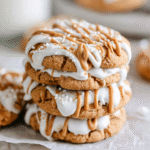
Heavenly Fluffernutter Cookies with Peanut Butter
Ingredients
- 1 cup unsalted butter softened
- 1 cup granulated sugar
- 1 cup packed brown sugar
- 2 large eggs
- 1 teaspoon vanilla extract
- 1 cup creamy peanut butter
- 2 cups all-purpose flour
- 1 teaspoon baking soda
- 1/2 teaspoon salt
- 1 cup marshmallow fluff
Instructions
- Preheat the oven to 350°F (175°C).
- In a large bowl, cream together the softened butter, granulated sugar, and brown sugar until light and fluffy.
- Add in the eggs and vanilla extract, mixing until well combined.
- In a separate bowl, whisk together the flour, baking soda, and salt.
- Gradually add the dry mixture to the wet ingredients, mixing until just combined.
- Fold in the creamy peanut butter until the dough is fully incorporated.
- Scoop tablespoon-sized amounts of dough onto a lined baking sheet, spacing them about 2 inches apart.
- Make a small indentation in the center of each dough scoop and fill each with marshmallow fluff.
- Bake for 10-12 minutes, or until the edges are lightly golden.
- Let the cookies cool on the baking sheet for a few minutes before transferring them to a wire rack.
Notes
Additional serving suggestions: pair with a crisp salad, garlic bread, or roasted seasonal vegetables for balance.
For make-ahead, prep components separately and assemble just before heating to preserve texture.
Taste and adjust with acid (lemon/vinegar) and salt right at the end to wake up flavors.