Introduction
Deep fried cheesecake is a dessert that pushes the boundaries of indulgence, combining the creamy richness of classic cheesecake with a crispy, golden exterior. It's a treat that elevates any occasion, from casual family dinners to festive celebrations.
The appeal lies not just in its unique texture but also in its contrasting flavors. Each bite reveals the velvety cheesecake, melting beautifully with the crunch of a fried shell, creating an experience that tantalizes the taste buds.
If you’re ready to embark on a culinary adventure that excites the senses, then deep fried cheesecake is calling your name. Let’s dive into the world of this decadent dessert and discover how to create it right in your kitchen.
Ingredients
- 8 oz cream cheese, softened
Cream cheese is the cornerstone of cheesecake, lending a rich, creamy texture and tangy flavor that defines the dessert. It serves as the base for your filling, ensuring it stays dense and indulgently smooth. - 1/2 cup granulated sugar
Sugar not only sweetens the cheesecake but also influences its creamy texture by providing moisture. It helps balance the tang of the cream cheese, creating a well-rounded flavor. - 1 egg
Eggs act as a binding agent, helping to set the cheesecake filling as it bakes. This crucial ingredient aids in achieving that creamy texture while also adding a slight richness. - 1 tsp vanilla extract
Vanilla extract enhances the overall flavor profile of the cheesecake by adding warm, aromatic notes. It complements the sweetness and richness of the filling beautifully. - 1 cup all-purpose flour
Flour is used in the batter that coats the cheesecake for frying. It creates a sturdy, crispy exterior when cooked, providing an essential contrast to the soft interior. - 1 cup breadcrumbs
Breadcrumbs give the fried cheesecake its desired crunch factor. They adhere to the batter and create a delightful texture that contrasts with the creamy filling. - 1/4 tsp cinnamon
Cinnamon adds a warm spice note that elevates the flavor and adds depth to the dessert. It pairs wonderfully with the sweetness of the cheesecake. - Vegetable oil, for frying
Vegetable oil is essential for frying, needing to be heated to the right temperature to create a crispy golden exterior. The right oil helps maintain that crunch while cooking the cheesecake thoroughly.
Directions & Preparation
Step 1: Prepare the cheesecake filling by mixing cream cheese, sugar, egg, and vanilla until smooth.
Combining the cream cheese, sugar, egg, and vanilla well is crucial for a smooth cheesecake filling. Use an electric mixer for a fluffy texture, ensuring batter is well combined without lumps. The egg provides structure, essential for a traditional cheesecake consistency.
Step 2: Chill the filling for at least 1 hour to firm up.
Chilling the filling is important as it thickens the mixture, making it easier to handle later. This step ensures your cheesecakes will maintain their shape during frying and helps enhance the flavors, allowing them to meld beautifully.
Step 3: Scoop out the filling and shape it into small balls.
Using a scoop to create uniform balls makes frying easier and promotes even cooking. It’s essential to keep the balls small, as this helps them cook through without burning the exterior.
Step 4: Coat the cheese balls in flour, dip in beaten egg, then roll in breadcrumbs, mixing in cinnamon.
This multi-step coating process is crucial for achieving a crispy outer layer. The flour creates a base for the egg to adhere to, while breadcrumbs provide that satisfying crunch when deep-fried. Cinnamon adds a delightful aromatic twist.
Step 5: Heat vegetable oil in a deep pot to 350°F (175°C).
The temperature of the oil is crucial for frying. If it’s too low, your cheesecake will absorb too much grease and become soggy. If too hot, it can burn before the inside cooks. Using a thermometer is a reliable way to reach the perfect frying temperature.
Step 6: Fry the coated cheesecake balls for 2-3 minutes on each side until golden brown.
Frying each side allows for that ideal crispy texture while minimizing the risk of overcooking. Monitor closely; they can brown quickly. After frying, place them on paper towels to drain excess oil.
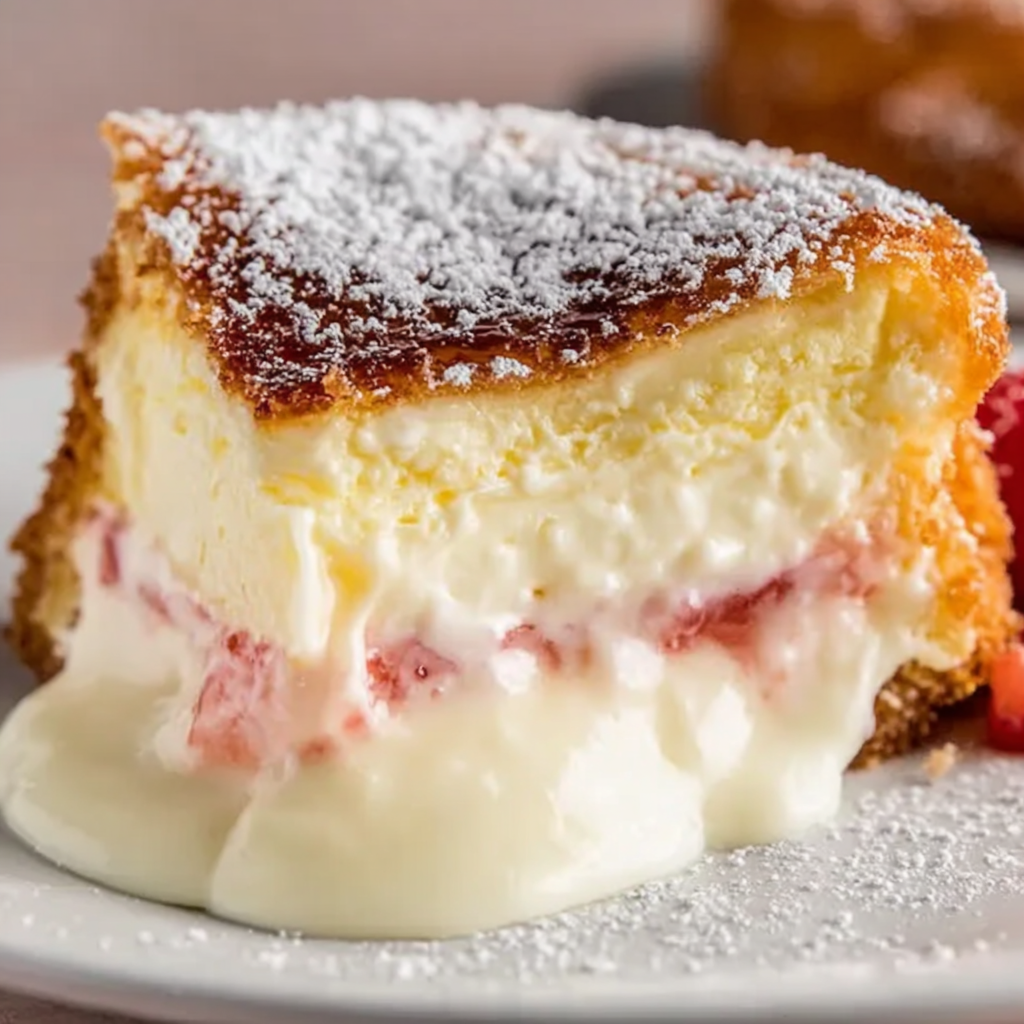
Step 7: Allow them to cool slightly, then dust with powdered sugar to serve.
Dusting with powdered sugar not only adds a touch of sweetness but also creates an appealing visual contrast against the golden fried balls. Serve them warm for the best texture experience, with melted cheesecake oozing from the center.

The Magic of Cream Cheese in Every Bite
Cream cheese is the heart of any cheesecake, providing that creamy, luscious filling you know and love. When deep fried, it maintains its moisture and rich flavor, creating a delightful contrast against the crispy coating. It’s vital to ensure your cream cheese is softened properly, allowing for a smooth, homogenous mixture that sets beautifully during frying.
Frying: The Art of Crispiness
Achieving the perfect golden exterior is an art that hinges on frying technique and oil temperature. Maintaining the right oil temperature ensures even cooking and a crunchy exterior, while too low a temperature may lead to grease-soaked treats. Monitor your frying closely; the visual cues of golden-brown color mean your deep fried cheesecake is ready to reveal its heavenly core.
Serving Suggestions for Optimal Enjoyment
While these deep fried cheesecakes shine on their own, serving them with a drizzle of chocolate or caramel sauce elevates the dessert experience. Consider adding fresh fruits or whipped cream for an added layer of flavor and decoration. Adding a sprinkle of sea salt enhances the sweetness and creates a deliciously memorable contrast.
FAQs
Why did my cheesecake filling leak during frying?
If the balls were too large or the filling wasn’t cold enough, it may leak out. Ensure the filling is chilled well and form smaller balls to prevent leaking.
What if my batter is too thick or too thin?
If your batter is too thick, try adding a splash of milk to thin it out. Conversely, if too thin, add a bit more flour to reach the desired consistency for coating.
Can I use different coatings besides breadcrumbs?
Absolutely! You can experiment with crushed graham crackers or cornflakes for a unique texture and flavor in the coating.
What should I do if my cheesecake balls burn on the outside?
If they burn but remain raw inside, ensure you are frying at the right temperature and reduce cooking time. Always monitor them closely for even browning.
Is it possible to use low-fat cream cheese instead?
Yes, you can substitute with low-fat cream cheese; however, the texture and flavor may be slightly different, possibly less creamy.
How can I add more flavor to my filling?
Consider adding zest of lemon or orange to the filling for a refreshing twist. Extracts like almond or coconut can also complement the flavor profile beautifully.
Conclusion
Creating deep fried cheesecake is a delightful adventure that leads to rewarding results. The blend of textures and flavors is downright irresistible, making it a standout dessert that will impress family and friends alike.
With a little patience and attention to detail, you’ll master this indulgent treat. Enjoy the smiles as you serve these warm, crispy delights and relish in each satisfying bite.
Recipe Card

Irresistibly Indulgent Deep Fried Cheesecake Recipe
Ingredients
- 8 oz cream cheese softened
- 1/2 cup granulated sugar
- 1 egg
- 1 tsp vanilla extract
- 1 cup all-purpose flour
- 1 cup breadcrumbs
- 1/4 tsp cinnamon
- Vegetable oil for frying
Instructions
- Prepare the cheesecake filling by mixing cream cheese, sugar, egg, and vanilla until smooth.
- Chill the filling for at least 1 hour to firm up.
- Scoop out the filling and shape it into small balls.
- Coat the cheese balls in flour, dip in beaten egg, then roll in breadcrumbs, mixing in cinnamon.
- Heat vegetable oil in a deep pot to 350°F (175°C).
- Fry the coated cheesecake balls for 2-3 minutes on each side until golden brown.
- Allow them to cool slightly, then dust with powdered sugar to serve.
Notes
Additional serving suggestions: pair with a crisp salad, garlic bread, or roasted seasonal vegetables for balance.
For make-ahead, prep components separately and assemble just before heating to preserve texture.
Taste and adjust with acid (lemon/vinegar) and salt right at the end to wake up flavors.