Introduction
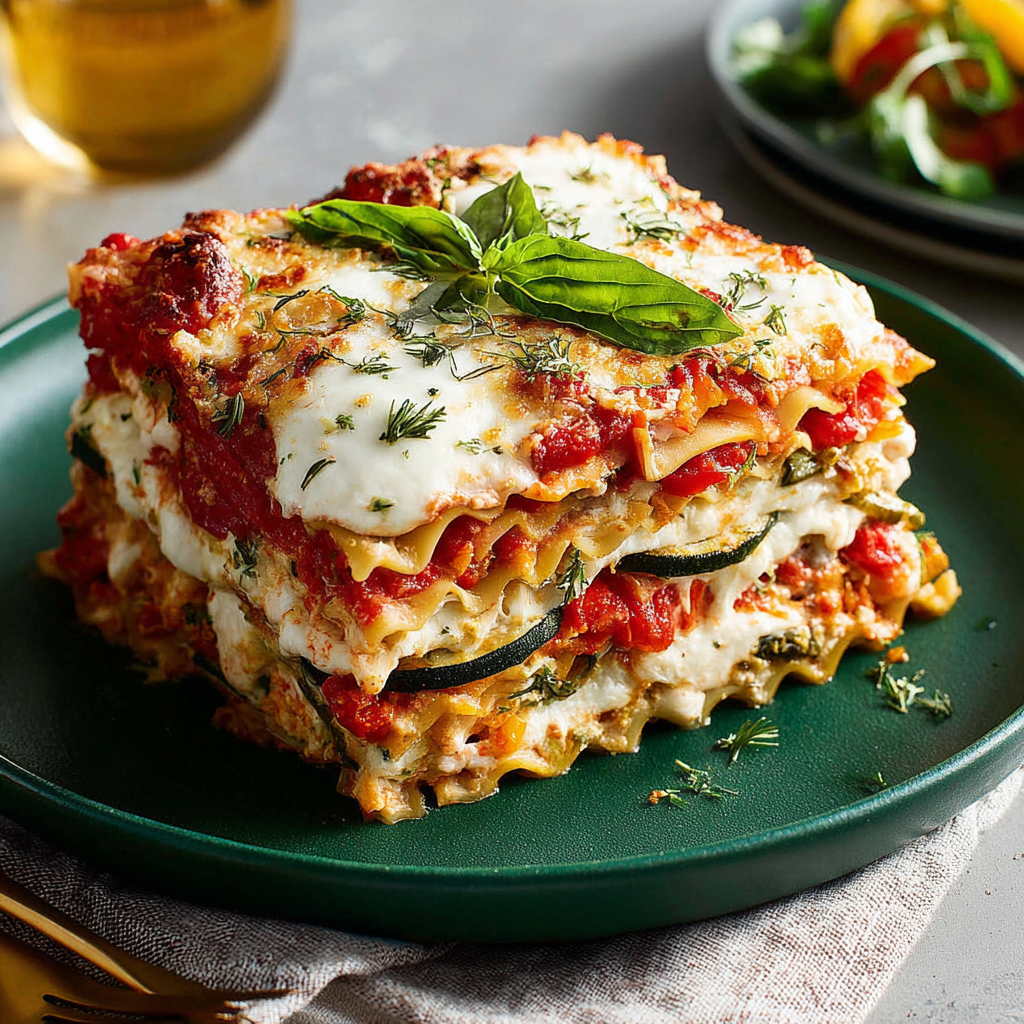
Vegetarian lasagna stands as a testament to the versatility of pasta, promising layers of flavor, color, and texture. This dish delights both vegetarians and meat-lovers alike with its hearty composition of vegetables and cheesy goodness. Emphasizing the importance of fresh ingredients, it invites home cooks to embrace seasonal produce, adding their personal touches along the way.
Additionally, this lasagna serves not just as a meal, but as a canvas for creativity in the kitchen. From the rich, tomato-based sauce to the creamy cheese layers, every component contributes to a symphony of taste. As you prepare this dish, consider how various flavors and textures come together, creating a wholesome family feast.
Ingredients
- 12 lasagna noodles
The backbone of the dish, these noodles create distinct layers. Using oven-ready or boiled varieties offers flexibility and time-saving options. - 2 tablespoons olive oil
A flavorful fat that adds richness to the sautéed vegetables, helping develop their taste while also preventing them from sticking to the pan. - 1 medium onion, chopped
Onions provide a savory base with their natural sweetness when caramelized, which enhances the overall flavor profile of the lasagna. - 2 cloves garlic, minced
Garlic infuses the dish with a fragrant aroma and a warm flavor that complements the other ingredients, making each bite irresistible. - 2 cups spinach, fresh or frozen
Spinach adds vibrant color and nutrients, offering a subtle earthiness that pairs well with the cheeses and sauce. - 1 medium zucchini, sliced
The zucchini contributes moisture and texture, balancing the richness of the cheeses while adding a light, fresh element. - 1 bell pepper, diced
Bell peppers introduce a crunch and sweetness, enhancing both the flavor and visual appeal of the lasagna. - 2 cups ricotta cheese
Ricotta's creamy texture creates a luxurious layer, adding richness and a slight tang that balances the acidity of the tomato sauce. - 2 cups marinara sauce
Tomato sauce is essential for binding the layers together, offering acidity and moisture that prevents the dish from becoming dry. - 2 cups shredded mozzarella cheese
Mozzarella is key for the gooey, melty top layer, providing that comforting cheese pull that makes lasagna so beloved. - 1/2 cup grated Parmesan cheese
Parmesan adds a sharp, nutty flavor and a slight crunch when baked, elevating the lasagna's overall taste. - 1 teaspoon dried oregano
Oregano delivers an aromatic quality, grounding the dish in classic Italian flavors that harmonize perfectly with the tomato sauce. - Salt and pepper to taste
Seasoning is crucial to enhance every ingredient's flavor. Adjusting this helps you create a perfectly balanced dish.
Directions & Preparation
Step 1: Preheat your oven to 375°F (190°C).
Preheating the oven ensures that the lasagna cooks evenly and thoroughly from the start, helping to achieve a perfectly bubbly and golden top. It’s a key step to consider so that your cooking times align with the desired textures and doneness.
Step 2: In a large skillet, heat olive oil over medium heat.
Heating the oil is essential for sautéing the vegetables effectively. This step enhances their natural flavors and softens their textures, making them an integral part of the lasagna’s layers. Wait until the oil shimmers but does not smoke for optimal cooking.
Step 3: Add the chopped onion and minced garlic; sauté until fragrant and translucent.
Cooking the onion and garlic releases their flavors into the oil, forming a flavor base for the entire dish. The translucency indicates they are cooked through without burning, leading to enhanced taste and aroma throughout the lasagna.
Step 4: Stir in the spinach, zucchini, and bell pepper; cook until softened.
Adding these vegetables introduces moisture and nutrients, while cooking them down allows them to integrate smoothly into the lasagna layers. Softening helps reduce excess water during baking, preventing sogginess.
Step 5: Remove from heat and stir in oregano, salt, and pepper to taste.
This step allows the spices to bloom in the residual heat, ensuring they are evenly distributed through the vegetable mixture. Tasting and seasoning at this point ensures a well-balanced filling for your lasagna.
Step 6: Spread a thin layer of marinara sauce on the bottom of a 9×13 inch baking dish.
Starting with sauce on the bottom prevents the noodles from sticking to the baking dish and ensures the first layer remains moist. This base layer introduces the tomato flavor and sets the stage for the rest of the ingredients.
Step 7: Layer four lasagna noodles across the sauce, followed by a portion of the vegetable mixture.
Positioning the noodles properly allows for uniform cooking, while the vegetable mix adds a hearty component. Make sure to spread the filling evenly to prevent clumping in any part of the dish.
Step 8: Add half of the ricotta cheese, half of the mozzarella, and a layer of marinara sauce.
Combining the cheeses creates a creamy layer that holds the lasagna together while the marinara provides additional moisture. This layering technique is essential for maximizing flavor and texture contrast in your dish.
Step 9: Repeat with another layer of noodles, remaining vegetable mixture, ricotta, mozzarella, and sauce.
Reiterating the layers ensures each slice has a balanced blend of flavors. The second layer continues to build flavor depth, while maintaining the structural integrity that makes lasagna satisfying.
Step 10: Top with the final layer of noodles, remaining marinara, and sprinkle with Parmesan cheese.
The final assembly creates a beautiful presentation with a rich sauce and thoughtfully placed cheese. The Parmesan will aid in browning, giving your lasagna that desirable golden crust on top.
Step 11: Cover with foil and bake for 25 minutes, then remove the foil to bake an additional 15 minutes.
Covering the lasagna helps it cook evenly and retain moisture during the first part of baking. Removing the foil allows the top to brown and crisp up, achieving that perfect lasagna texture.
Step 12: Remove from oven and let sit for 10-15 minutes before slicing.
Allowing the lasagna to rest is crucial for firming up the layers, making it easier to slice without falling apart. During this time, the flavors also meld, enhancing the overall taste.

Choosing the Right Vegetables for Your Lasagna
While this recipe features spinach, zucchini, and bell peppers, the beauty of vegetarian lasagna lies in its adaptability. Feel free to experiment with seasonal vegetables like mushrooms, eggplant, or roasted red peppers. Each addition contributes unique textures and flavors that elevate the dish, allowing you to customize based on personal preferences or what you have on hand.
The Power of Cheese in Layering
Cheese combinations are critical in achieving the ultimate lasagna consistency. While ricotta provides creaminess, mozzarella delivers that gooey texture, and Parmesan adds a flavorful crunch. Consider mixing in other cheese varieties, such as feta or goat cheese, for a twist that can surprise your palate and make your lasagna even more delightful and complex.
Perfect Pairings for Vegetarian Lasagna
Pairing your lasagna with the right sides can enhance the dining experience. A crisp green salad dressed lightly with vinaigrette complements the richness of the dish, while garlic bread adds a comforting touch. Consider serving with a light wine, such as a Chianti or a refreshing sparkling water, to balance the hearty meal, creating a well-rounded vegetarian feast.
FAQs
What if my lasagna turns out too watery?
Ensure that the vegetables are properly sautéed to remove excess moisture before layering. Additionally, using less sauce can help avoid a watery end product.
How can I scale this recipe for a larger crowd?
Simply double the ingredient amounts and use a larger baking dish. You may need to adjust baking time accordingly based on thickness.
Can I add more cheese to the recipe?
Absolutely! Increasing the cheese amounts will enhance the creaminess, but be sure to balance with the other ingredients to maintain layers.
What if I find the lasagna too bland?
Adjust the seasoning with more salt, pepper, or even herbs to amplify flavors. Tasting at different stages helps ensure a well-seasoned dish.
Can I use different types of pasta for this lasagna?
Yes, options like whole wheat or gluten-free lasagna noodles can work well. Just ensure they’re suitable for layering and follow package instructions.
What if the top layer of cheese burns while baking?
If you notice the cheese browning too quickly, cover it loosely with foil to prevent burning while allowing the lasagna to cook through.
Conclusion
Vegetarian lasagna is more than a dish; it is an embodiment of comfort and creativity in the kitchen. Each layer lovingly embraces the next, resulting in a meal that is both satisfying and nutritious. It is also a canvas for personal touches, from the choice of vegetables to the type of cheeses used.
As you serve this hearty dish, relish the joy it brings to your family and friends. Whether for a cozy weeknight dinner or an impressive gathering, this vegetarian lasagna will surely leave a lasting impression on everyone at the table.
Recipe Card

Layered Comfort: Vegetarian Lasagna with Fresh Ingredients
Ingredients
- 12 lasagna noodles
- 2 tablespoons olive oil
- 1 medium onion chopped
- 2 cloves garlic minced
- 2 cups spinach fresh or frozen
- 1 medium zucchini sliced
- 1 bell pepper diced
- 2 cups ricotta cheese
- 2 cups marinara sauce
- 2 cups shredded mozzarella cheese
- 1/2 cup grated Parmesan cheese
- 1 teaspoon dried oregano
- Salt and pepper to taste
Instructions
- Preheat your oven to 375°F (190°C).
- In a large skillet, heat olive oil over medium heat.
- Add the chopped onion and minced garlic; sauté until fragrant and translucent.
- Stir in the spinach, zucchini, and bell pepper; cook until softened.
- Remove from heat and stir in oregano, salt, and pepper to taste.
- Spread a thin layer of marinara sauce on the bottom of a 9x13 inch baking dish.
- Layer four lasagna noodles across the sauce, followed by a portion of the vegetable mixture.
- Add half of the ricotta cheese, half of the mozzarella, and a layer of marinara sauce.
- Repeat with another layer of noodles, remaining vegetable mixture, ricotta, mozzarella, and sauce.
- Top with the final layer of noodles, remaining marinara, and sprinkle with Parmesan cheese.
- Cover with foil and bake for 25 minutes, then remove the foil to bake an additional 15 minutes.
- Remove from oven and let sit for 10-15 minutes before slicing.
Notes
Additional serving suggestions: pair with a crisp salad, garlic bread, or roasted seasonal vegetables for balance.
For make-ahead, prep components separately and assemble just before heating to preserve texture.
Taste and adjust with acid (lemon/vinegar) and salt right at the end to wake up flavors.