Introduction
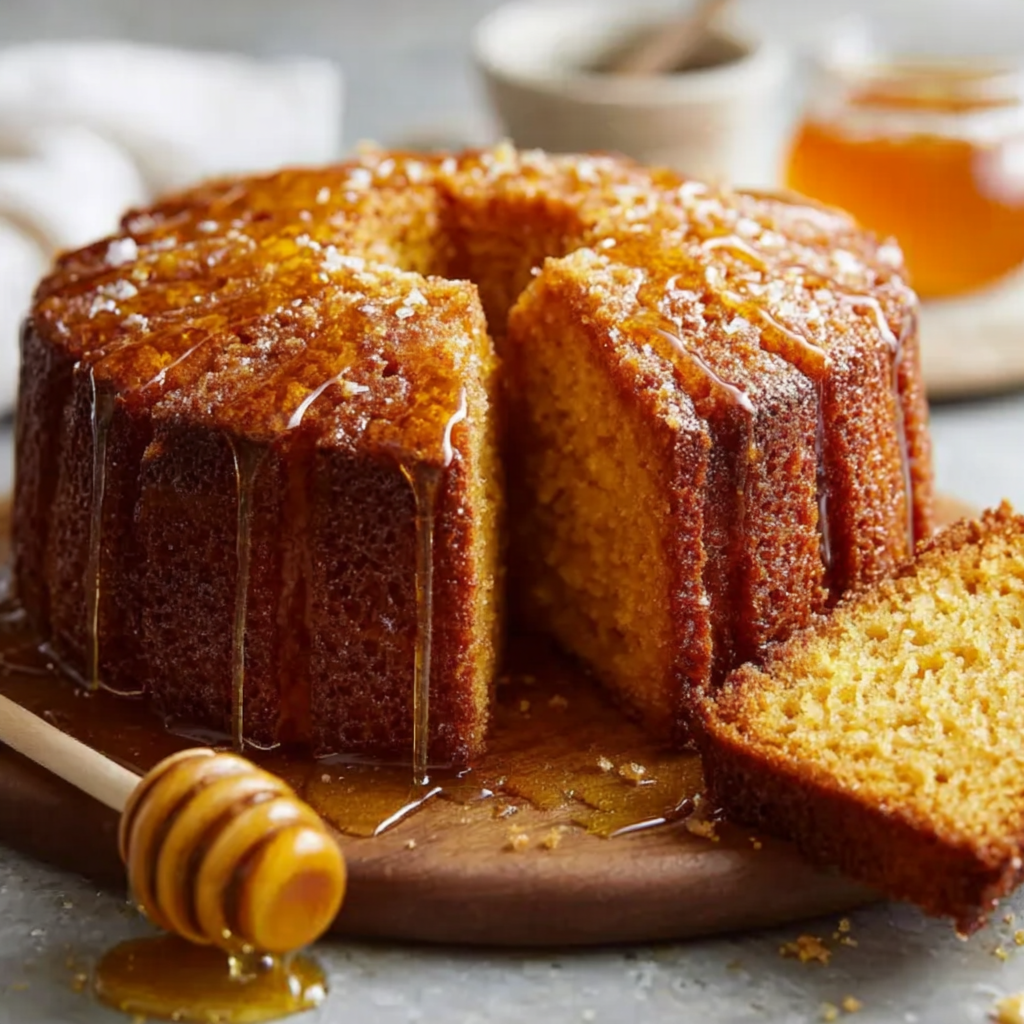
Honey cake, cherished by many cultures, is a delightful treat that encapsulates warmth and sweetness in every bite. Traditionally made to celebrate special occasions, its rich flavor and moist texture make it a favorite for dessert lovers. This cake not only dazzles with its golden hue but also offers a symphony of tastes that dance on the palate.
The beauty of honey cake lies in its simplicity; it combines basic ingredients to create something truly extraordinary. With each layer infused with the essence of honey, this cake promises to provide both comfort and joy, making it a perfect choice for family gatherings or an afternoon indulgence.
Ingredients
- 2 cups all-purpose flour
All-purpose flour provides the structure and foundation for the cake. It helps to bind the ingredients together and gives the cake a light, yet sturdy texture. - 1 cup honey
Honey is not just a sweetener; it adds moisture and richness to the cake. Its unique flavor profile contributes to the signature taste of honey cake, making it fragrant and delicious. - 3/4 cup sugar
Sugar balances the earthy sweetness of honey and adds to the overall sweetness of the cake. It also helps with the browning process during baking, ensuring a beautiful golden crust. - 3 large eggs
Eggs act as a binding agent in the recipe, providing moisture and richness. They also help the cake rise, resulting in a light and fluffy texture. - 1/2 cup vegetable oil
Vegetable oil keeps the cake moist and tender. It helps to maintain a soft crumb and prevents the cake from becoming dry. - 1 teaspoon baking powder
Baking powder is a leavening agent that helps the cake rise by creating air pockets during baking, ensuring a fluffy and airy texture. - 1/2 teaspoon baking soda
Baking soda helps to balance the acidity of the honey and contributes to the rise of the cake. It also enhances the cake’s browning. - 1 teaspoon ground cinnamon
Cinnamon adds warmth and depth to the flavor profile of the cake, complementing the honey's sweetness with its aromatic notes. - 1/2 teaspoon salt
Salt enhances the overall flavor of the cake. It balances the sweetness and brings out the natural flavors of the other ingredients. - 1/2 cup hot water
Hot water helps to dissolve the honey and sugar more thoroughly, leading to a smoother batter. It also helps the cake to rise evenly.
Directions & Preparation
Step 1: Preheat the oven to 350°F (175°C).
Preheating the oven ensures the cake bakes evenly from the start. A properly heated oven allows the cake to rise effectively and develop a lovely golden crust.
Step 2: In a large bowl, whisk together the flour, baking powder, baking soda, salt, and cinnamon.
Combining the dry ingredients first ensures even distribution of the leavening agents, which is crucial for a uniformly risen cake. Whisking them together also aerates the mixture, which helps in achieving a lighter texture.
Step 3: In another bowl, mix the eggs, sugar, and honey until fully blended.
This step is essential as it incorporates air into the mixture, aiding the cake's rise. Combining these ingredients helps create a smooth batter that allows the flavors to meld beautifully.
Step 4: Gradually add in the vegetable oil while continuously whisking.
Adding the oil slowly while whisking creates an emulsion, ensuring a well-blended, smooth batter. This plays a pivotal role in achieving a moist cake.
Step 5: Pour in the hot water and mix until fully combined.
The hot water helps to dissolve the sugar and honey, ensuring a uniform batter. It also aids in activating the leavening agents for a better rise.
Step 6: Gently fold the dry ingredients into the wet mixture until just combined.
Overmixing can lead to a dense cake, so gently folding ensures the batter remains light and airy. This step allows the ingredients to incorporate without deflating the mixture.
Step 7: Pour the batter into a greased 9×13 inch pan.
Greasing the pan prevents the cake from sticking and allows for easy removal after baking. A 9×13 inch pan provides enough surface area for the cake to cook evenly.
Step 8: Bake in the preheated oven for 30-35 minutes, or until a toothpick inserted comes out clean.
Baking the cake at the right temperature and time is crucial for achieving the desired texture. Checking with a toothpick helps ensure the cake is fully cooked without being overbaked.
Step 9: Let the cake cool in the pan for 10 minutes, then transfer to a wire rack.
Cooling the cake slightly in the pan allows it to firm up before transferring it. A wire rack ensures even cooling, preventing it from becoming soggy on the bottom.
Step 10: Once fully cooled, you may drizzle additional honey on top for extra sweetness and glaze.
This optional step enhances the visual appeal and adds another layer of flavor to the cake. It’s a beautiful finishing touch that complements the honey flavor throughout.

The Importance of Quality Honey
The type of honey you choose significantly impacts the flavor profile of your honey cake. Opting for local or artisanal honey can introduce complex notes, whether they’re floral, herbal, or earthy. Experimenting with different varieties can lead to delightful variations in taste, making each baking foray a unique culinary adventure.
Pairing Ideas for Honey Cake
Honey cake pairs beautifully with a variety of beverages and toppings. A cup of tea or coffee complements its sweetness, enhancing your dessert experience. Additionally, serving it with fresh fruits, whipped cream, or yogurt can introduce contrasting flavors and textures, elevating the taste and making it a versatile treat for any occasion.
Storing and Serving Honey Cake
Honey cake maintains its moisture and flavor well due to the natural properties of honey. For optimal storage, wrap it tightly in plastic wrap or place it in an airtight container at room temperature. This cake can also be served at room temperature or slightly warmed; both options allow the flavors to shine through delightfully.
FAQs
What if my honey cake has sunk in the middle?
A sunken honey cake usually indicates underbaking or insufficient leavening. Ensure your oven temperature is accurate and check that your leavening agents are fresh for optimal rise.
Can I add nuts to the batter for texture?
Yes, adding chopped nuts like walnuts or almonds can provide a delightful crunch and enhance the flavor of the cake. Make sure to fold them in gently to maintain the batter's airiness.
What is the best way to serve honey cake?
Honey cake can be served plain, drizzled with more honey, or accompanied by a dollop of whipped cream or yogurt. Fresh seasonal fruits also work wonderfully alongside it.
How can I enhance the honey flavor in the cake?
To deepen the honey flavor, consider using a flavored honey, such as lavender or orange blossom. Also, increasing the amount of honey slightly will enhance its presence.
What should I do if the cake turns out too dense?
A dense cake may result from overmixing or improper measuring of flour. Make sure to measure accurately and mix gently to retain the cake's airiness.
Can I scale the recipe for a smaller or larger cake?
Yes, this recipe can be easily scaled. For a smaller cake, halve the ingredients and bake in an 8-inch round pan; for a larger cake, double the ingredients and use a larger pan.
Conclusion
Baking a honey cake is both an art and a science, marrying simple ingredients to create a rich, flavor-filled experience. By following this recipe, you’re not only embracing a timeless tradition but also crafting a dessert that can become a staple in your home for years to come.
As you savor each slice, remember that the beauty of honey cake lies in its versatility and the joy it brings to gatherings. Whether it’s served during a holiday feast or as an everyday treat, this cake will undoubtedly leave a lasting impression.
Recipe Card
Notes
Additional serving suggestions: pair with a crisp salad, garlic bread, or roasted seasonal vegetables for balance.
For make-ahead, prep components separately and assemble just before heating to preserve texture.
Taste and adjust with acid (lemon/vinegar) and salt right at the end to wake up flavors.