Introduction
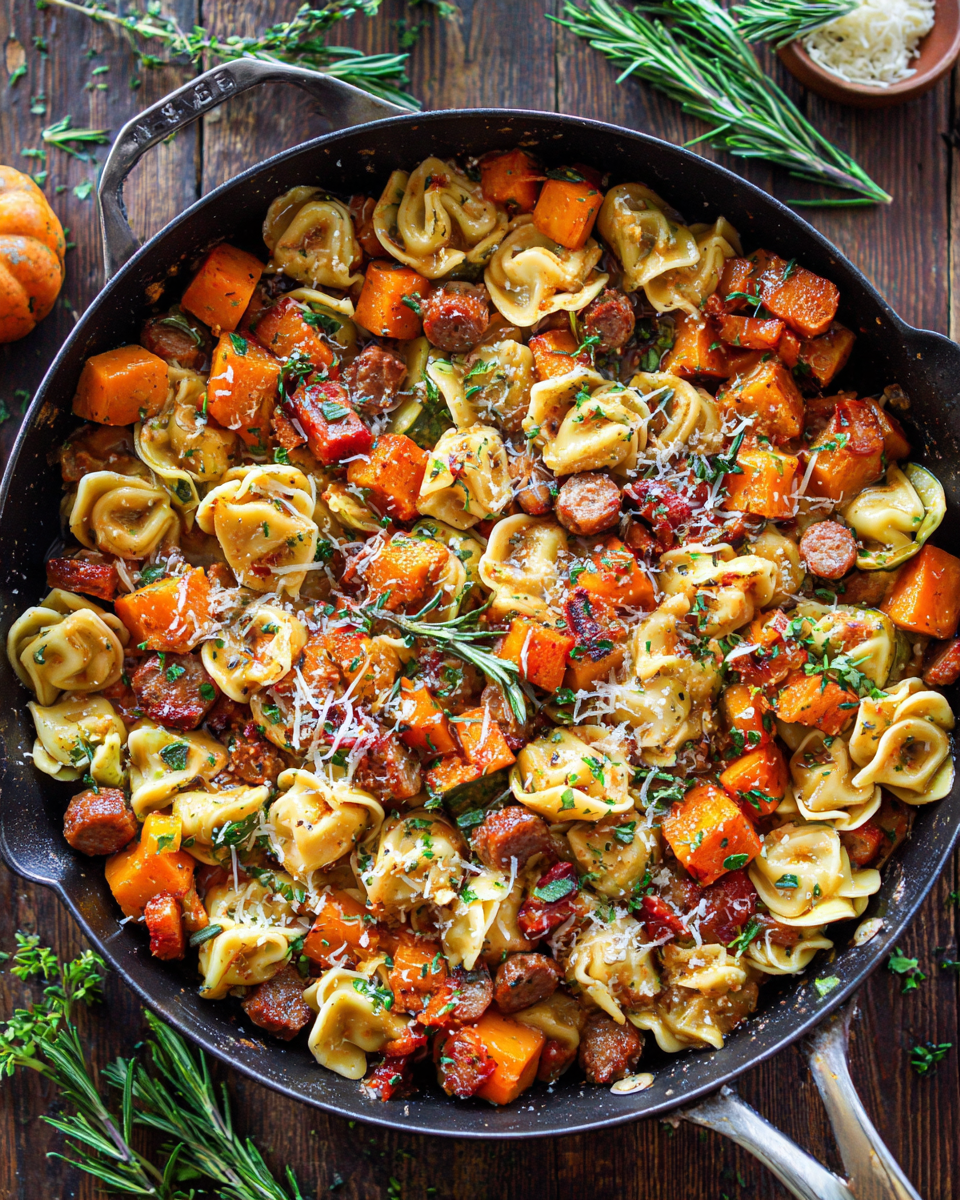
As autumn arrives, the season's rich bounty offers a perfect chance to prepare comforting meals that warm the soul. One such recipe is the delightful Autumn Sausage Pasta Squash, a dish that embraces the flavors of the season with its savory sausage, nutty pasta, and sweet squash.
This easy-to-cook dish not only showcases seasonal ingredients, but also brings together tastes and textures that are sure to please during family dinners or get-togethers with friends. Let's delve into creating this vibrant and satisfying meal!
Ingredients
- 1 large butternut squash
Butternut squash adds a natural sweetness and creamy texture when roasted, creating a lovely contrast with the savory sausage. - 8 ounces of pasta (your choice)
The pasta serves as the hearty base of the dish, soaking up the flavors of the sauce and sausage. - 1 pound of Italian sausage (sweet or spicy)
Italian sausage brings a flavorful kick that pairs beautifully with the squash, enhancing the dish's depth. - 2 tablespoons olive oil
Olive oil is essential for sautéing ingredients, adding richness and promoting better browning of the sausage and squash. - 1 medium onion, diced
Onions provide a fragrant foundation for the dish, contributing sweetness and umami as they caramelize. - 3 cloves of garlic, minced
Garlic adds a bold flavor that elevates the dish, creating a savory base that complements the other ingredients. - 1 cup vegetable broth
The broth adds moisture and depth to the dish, ensuring the pasta is flavorful rather than bland. - 1 teaspoon dried thyme
Thyme is a classic herb that brings a warm, earthy note, enhancing the overall flavor profile of the dish. - Salt and pepper to taste
Seasoning with salt and pepper balances flavors and brings everything together, ensuring a delicious final result. - Fresh parsley for garnish
Parsley adds a pop of color and a fresh, herbal note, making the dish visually appealing while brightening the flavors.
Directions & Preparation
Step 1: Preheat your oven to 400°F (200°C).
Preheating the oven is vital to ensure the butternut squash roasts evenly and develops a caramelized exterior. This initial step sets the stage for well-cooked, flavorful squash that will blend beautifully with the pasta and sausage.
Step 2: Prepare the butternut squash by peeling, seeding, and cutting it into cubes.
Cutting the squash into evenly sized cubes promotes uniform cooking, allowing them to roast perfectly. Removing the seeds and peeling it also ensures a smooth texture and delightful sweetness in every bite.
Step 3: Spread the squash cubes on a baking sheet, drizzle with olive oil, and season with salt and pepper. Roast for 25-30 minutes.
Roasting the squash allows it to develop deep, caramelized flavors while enhancing the natural sweetness. This process also brings a nice texture contrast against the pasta and sausage.
Step 4: While the squash roasts, cook the pasta according to package instructions until al dente. Drain and set aside.
Cooking the pasta until it's al dente ensures it holds its shape and does not become mushy in the final dish. This texture is key in balancing with the tender squash and sausage.
Step 5: In a large skillet, heat olive oil over medium heat and add diced onion. Sauté until translucent, about 5 minutes.
Sautéing the onion until translucent not only builds a flavorful foundation but also releases its natural sugars, enhancing sweetness in the dish. This is a critical step for achieving depth of flavor.
Step 6: Add minced garlic to the skillet and sauté for an additional minute until fragrant.
Garlic cooks quickly; therefore, adding it after the onion ensures it infuses its aromatic essence without burning. This step releases essential oils, ushering in an inviting aroma.
Step 7: Add the Italian sausage to the skillet, breaking it apart and cooking until browned.
Browning the sausage is crucial as it develops complex flavors through the Maillard reaction. This step creates a rich flavor base that intertwines beautifully with the sautéed onion and garlic.
Step 8: Pour in the vegetable broth and dried thyme, stirring well to combine. Let the mixture simmer for 5 minutes.
Simmering the broth with the sausage lets the flavors meld together, creating a savory base that binds the dish. This step ensures the broth enriches the other ingredients.
Step 9: Once the squash is roasted, add it to the skillet along with the cooked pasta. Stir gently to combine everything.
Combining the roasted squash, pasta, and sausage mixture ensures every bite is filled with balanced flavors. This integration binds all the ingredients, allowing them to complement each other.
Step 10: Season with additional salt and pepper to taste. Serve hot, garnished with fresh parsley.
Final seasoning is essential to enhance the dish’s overall flavor, ensuring it resonates with the palate. Garnishing with parsley adds a pop of color and freshness, elevating the dish's presentation.

Roasting Techniques for Perfectly Tender Squash
Roasting butternut squash transforms its flavor, creating a rich, caramelized finish that pairs beautifully with savory elements like sausage. To achieve an even roast, cut the squash into consistent-sized pieces and avoid overcrowding the baking sheet, allowing for proper airflow. A sprinkle of cinnamon or nutmeg can also elevate the seasonal feel, adding an extra layer of complexity.
Enhancing Flavor with Quality Sausage
Choosing high-quality Italian sausage is paramount for this dish. Fresh sausage using natural spices delivers a robust flavor that can make or break your recipe. Whether you prefer sweet or spicy is a matter of personal taste, but fresh sausage will provide juiciness and depth. Don't hesitate to experiment with different flavors, such as herbed or garlic-infused varieties, to personalize the dish.
The Perfect Pasta Pairing
While any pasta can work here, consider textures that will hold sauce well, such as penne or rotini. These shapes grab onto bits of sausage and chunky squash, ensuring a mouthful of mixed flavors in every bite. Alternatively, whole grain or gluten-free options offer versatility without compromising flavor. Make sure to cook the pasta al dente for the best texture contrast with the soft squash.
FAQs
What if my sausage is too greasy?
If the sausage releases too much grease, drain some excess fat from the skillet after browning. Avoiding overly fatty sausage cuts can help maintain a balanced dish.
Can I add other vegetables to this recipe?
Certainly! Feel free to mix in spinach, kale, or bell peppers for added nutrition and flavor. Just ensure they are added at the appropriate time to cook without becoming mushy.
What should I do if the sauce is too thick?
If the sauce becomes too thick, add a bit of extra vegetable broth or water, stirring until the desired consistency is reached. This adjustment keeps the dish moist without compromising flavor.
How can I adjust the seasoning if it's too bland?
If you find your dish to be too bland, consider adding additional herbs or a splash of red wine vinegar for acidity. A sprinkle of parmesan cheese can also enhance the overall flavor.
Can I use a different type of winter squash?
Yes! Acorn squash or pumpkin can serve as great alternatives to butternut squash, contributing different flavors that will still blend well with the rest of your ingredients.
What do I do if my squash is undercooked?
If the squash remains firm after roasting, return it to the oven and check every 5 minutes until it's tender. This will ensure that it finishes cooking without overcooking other ingredients.
Conclusion
Creating a Delicious Autumn Sausage Pasta Squash dish is a wonderful way to embrace the fall season. With simple steps and readily available ingredients, you can warm your home and tantalize your taste buds.
This recipe is not only versatile but also showcases the delightful interplay of flavors and textures that define autumn cooking. Enjoy sharing this hearty meal with family and friends around the table!
Recipe Card
Delightful Apple Slab Pie for Home Bakers
Ingredients
- 4 cups diced apples
- 1 cup granulated sugar
- 2 tablespoons cornstarch
- 1 teaspoon ground cinnamon
- 1 teaspoon vanilla extract
- 1/2 teaspoon salt
- 1 cup unsalted butter 2 sticks
- 2 1/2 cups all-purpose flour
- 1/4 cup cold water
- 1 egg for egg wash
Instructions
- Prepare the crust by combining flour and salt in a bowl.
- Cut in the butter until the mixture resembles coarse crumbs.
- Gradually add cold water while mixing until the dough comes together.
- Divide the dough in two, shape it into disks, wrap, and refrigerate for at least an hour.
- Preheat your oven to 375°F (190°C).
- Roll out one disk for the bottom crust and place it in your baking sheet.
- In a mixing bowl, combine the diced apples, sugar, cornstarch, cinnamon, vanilla, and salt.
- Pour the apple mixture into the prepared crust.
- Roll out the second disk of dough for the top crust and place it over the filling.
- Seal the edges and make slits in the top crust if not using a lattice.
- Brush the top crust with beaten egg for a golden finish.
- Bake for 45-50 minutes or until the apples are tender and the crust is golden brown.
- Allow the pie to cool before slicing.
Notes
Additional serving suggestions: pair with a crisp salad, garlic bread, or roasted seasonal vegetables for balance.
For make-ahead, prep components separately and assemble just before heating to preserve texture.
Taste and adjust with acid (lemon/vinegar) and salt right at the end to wake up flavors.