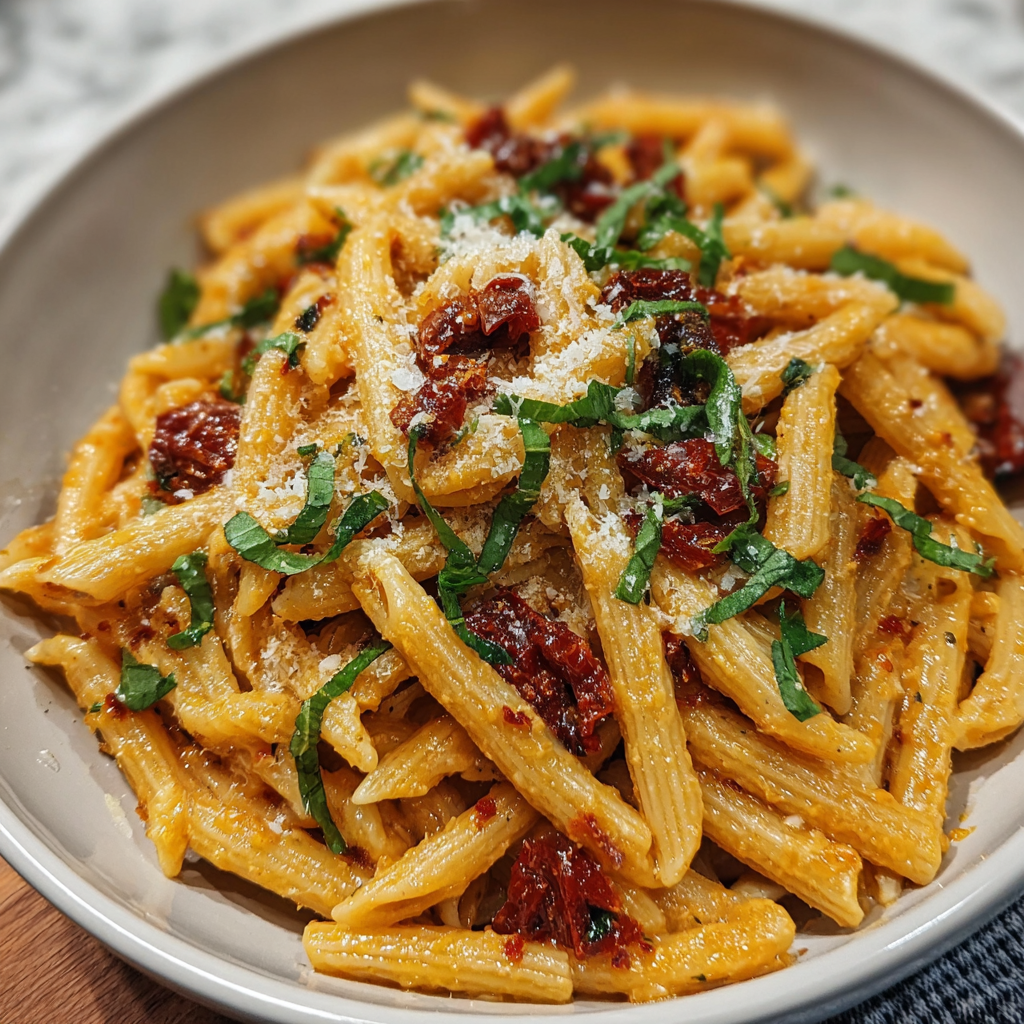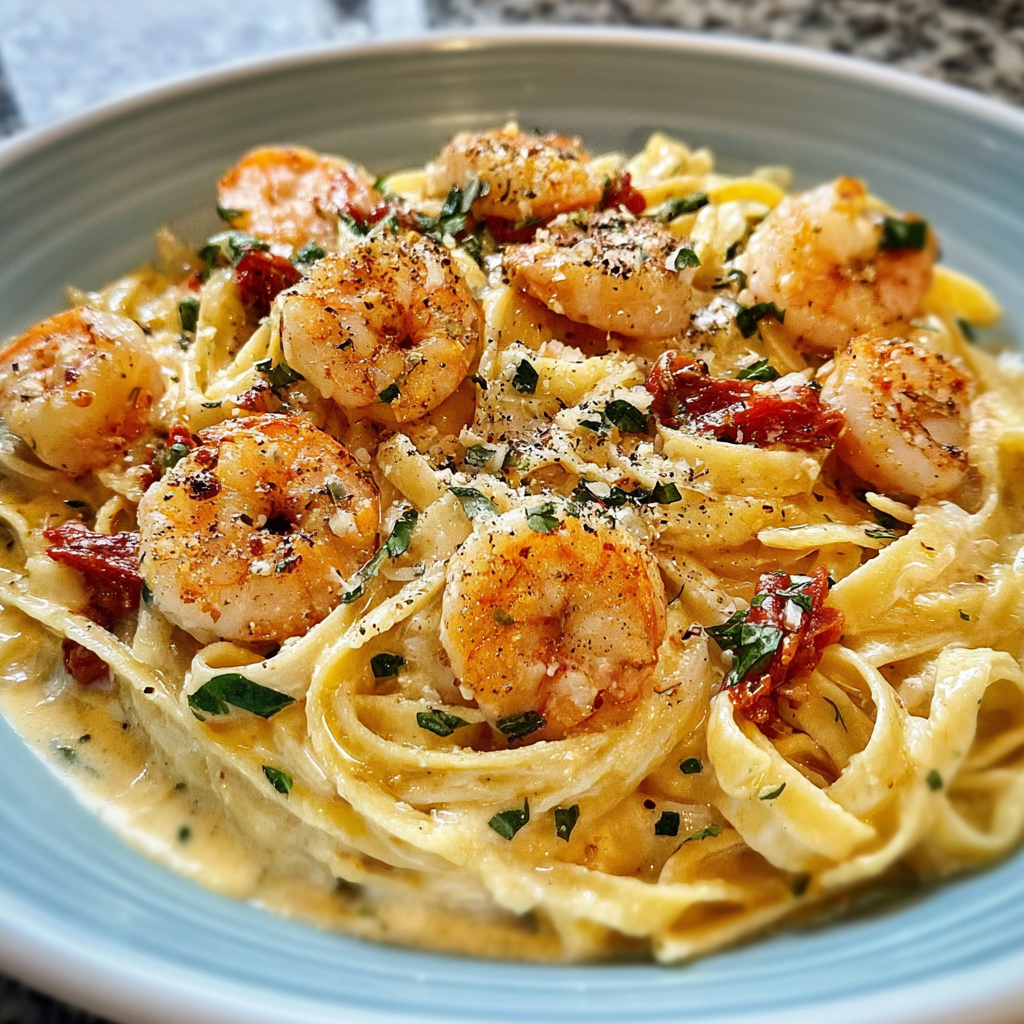
Introduction
As the leaves turn and the air becomes crisp, fall offers a perfect opportunity to embrace hearty, comforting meals. Whether it’s a casual family dinner or a gathering with friends, this season calls for dishes that warm both the stomach and the soul.
Incorporating seasonal produce, spices, and warm flavors, fall dinners not only celebrate the harvest but also create a nurturing atmosphere. From rich soups to savory casseroles, each dish tells a story of tradition and comfort.
Ingredients
- 1 butternut squash, peeled and diced
Butternut squash adds a creamy texture and natural sweetness that balances savory elements in fall recipes. Rich in vitamins and minerals, it’s a nutritious base for dishes like soups and risottos. - 4 cups chicken or vegetable broth
Broth serves as the flavorful foundation of soups and stews, infusing dishes with depth. Choosing low-sodium options allows for better control over the final seasoning. - 1 onion, chopped
Onions lend sweetness and an aromatic base to most savory dishes. They caramelize beautifully, enhancing the overall flavor and adding complexity to soups and casseroles. - 2 cloves garlic, minced
Garlic is essential for providing a robust flavor profile. It adds a fragrant aroma and depth, making any dish more enticing. - 1 teaspoon ground cinnamon
Cinnamon introduces warmth and a hint of sweetness, perfectly complementing fall ingredients. Its aroma can evoke a sense of nostalgia for the season. - 1 tablespoon olive oil
Olive oil is used for sautéing as it enhances the flavors of the vegetables while adding its own rich, fruity essence. It's a healthier option compared to butter. - Salt and pepper to taste
Seasoning is crucial for balancing flavors. Salt enhances all other flavors, while pepper adds a subtle kick, making dishes more vibrant. - 1 cup cooked quinoa or rice (optional)
Adding quinoa or rice offers a hearty element to the dish, providing protein and fiber. These grains absorb flavors well, making each bite satisfying. - Fresh herbs for garnish (like parsley or sage)
Fresh herbs impart brightness and a pop of color to any dish. They elevate flavors and provide a refreshing contrast to richer, autumnal recipes.
Directions & Preparation
Step 1: Sauté the onion and garlic in olive oil.
Start by heating olive oil in a large pot over medium heat. Add chopped onions and garlic, cooking until translucent and fragrant. This step is crucial as it builds the foundation of flavor for your dish, creating an aromatic base that makes the ingredients shine.
Step 2: Add the diced butternut squash and broth.
Next, incorporate the diced butternut squash and pour in the broth. This helps the squash soften and releases its sweetness into the broth. Bringing this mixture to a simmer allows the flavors to meld, creating a harmony that is essential for a comforting fall dish.
Step 3: Include cinnamon, salt, and pepper.
Sprinkle in ground cinnamon and season with salt and pepper. These spices enhance the natural sweetness of the squash, adding depth and complexity to the dish. Adjusting the seasoning during cooking helps you achieve a balanced flavor profile, making it more appealing.
Step 4: Simmer until the squash is tender.
Lower the heat and let the mixture simmer until the squash is fork-tender, about 20 minutes. This slow cooking allows the flavors to intensify while the squash softens, making it easy to blend or mash for a creamy texture, depending on your desired end result.
Step 5: Blend until smooth (optional).
For a creamy consistency, use an immersion blender right in the pot or transfer the soup in batches to a countertop blender. Blending not only creates a delightful texture but also enhances the overall flavor by combining all ingredients seamlessly.
Step 6: Stir in cooked quinoa or rice (if using).
Add the cooked quinoa or rice, stirring to combine. This step introduces heartiness to the dish, making it more filling and satisfying while also adding a variety of textures and nutrients.
Step 7: Garnish with fresh herbs and serve.
Finish with a sprinkle of chopped fresh herbs for a vibrant presentation and a burst of flavor. Serving garnished dishes not only looks appealing but also adds freshness that contrasts beautifully with the richness of the main ingredients.

The Power of Seasonal Ingredients
Incorporating seasonal ingredients like squash and root vegetables not only enhances the flavor of fall dishes but also supports local agriculture. These ingredients, fresh from the harvest, are often more nutrient-dense and packed with flavor, creating meals that truly reflect the season's bounty.
Making the Most of Your Leftovers
Leftover fall dinners can be repurposed creatively. Consider turning a butternut squash soup into a casserole by adding grains and baking it with a crunchy topping. This not only reduces waste but also transforms the dish into something new and exciting.
Elevating Comfort Food with Herbs
Herbs add an extra dimension to comfort food, elevating flavors with freshness. Simple garnishes like parsley or sage can brighten rich dishes, offering a pleasant contrast and enhancing the overall dining experience. Experimenting with herbs can lead to delightful discoveries in your kitchen.
FAQs
What if the soup is too thick?
If the soup ends up too thick, simply whisk in additional broth or water until you reach your desired consistency. This will maintain the flavor while adjusting the texture.
Can I add other vegetables to this recipe?
Absolutely! Adding vegetables like carrots, spinach, or kale can enhance nutrition and flavor. Just be sure to adjust cooking times for any firmer veggies.
What should I do if the soup tastes too bland?
If you find the soup bland, try adding more seasoning such as extra salt, pepper, or spices like cayenne or nutmeg to enhance its flavor profile.
How can I scale the recipe for a larger gathering?
To expand this recipe, simply double the quantities of all ingredients. Ensure you use a larger pot to accommodate the increase in volume and adjust cooking times as needed.
What if my squash doesn’t soften during cooking?
If the squash doesn't soften, ensure that you’re simmering at the right temperature. If necessary, allow it to cook a bit longer or cut it into smaller pieces for faster cooking.
Can I serve this dish cold instead of hot?
This dish is ideally served hot for optimal flavor and warmth; however, it can be enjoyed cold as a refreshing soup or dip if preferred.
Conclusion
Creating warm and hearty meals during fall not only nourishes the body but also brings loved ones together. Embrace the beauty of seasonal ingredients and enjoy the comforting flavors they bring.
With these fall dinner ideas at your fingertips, you can craft enjoyable meals that fill the room with warmth and joy, making each dinner an occasion to cherish.
Recipe Card

Delicious Dinners for Cozy Fall Nights
Ingredients
- 1 butternut squash peeled and diced
- 4 cups chicken or vegetable broth
- 1 onion chopped
- 2 cloves garlic minced
- 1 teaspoon ground cinnamon
- 1 tablespoon olive oil
- Salt and pepper to taste
- 1 cup cooked quinoa or rice optional
- Fresh herbs for garnish like parsley or sage
Instructions
- Sauté the onion and garlic in olive oil.
- Add the diced butternut squash and broth.
- Include cinnamon, salt, and pepper.
- Simmer until the squash is tender.
- Blend until smooth (optional).
- Stir in cooked quinoa or rice (if using).
- Garnish with fresh herbs and serve.
Notes
Additional serving suggestions: pair with a crisp salad, garlic bread, or roasted seasonal vegetables for balance.
For make-ahead, prep components separately and assemble just before heating to preserve texture.
Taste and adjust with acid (lemon/vinegar) and salt right at the end to wake up flavors.