Introduction
Cowboy Cabbage is a hearty and flavorful dish rooted in the tradition of rustic American cooking. With its roots in cowboy culture, this meal embodies simplicity, yet it's packed with nutrients and taste. It’s a one-pan wonder that offers a satisfying balance between protein, vegetables, and rich flavors, making it perfect for weeknight dinners or gatherings.
Ideal for home cooks of all skill levels, Cowboy Cabbage combines ground meat, cabbage, and an array of seasonings to create a dish that warms the palate and comforts the soul. Whether you’re feeding a family or just want a simple yet filling meal, this recipe is sure to become a favorite. Let’s dive into the ingredients and steps to capture the essence of this classic dish.
Ingredients
- 1 lb ground beef or turkey
The ground meat serves as the primary protein source, providing richness and substance to the dish. Beef gives a bolder flavor, while turkey offers a leaner alternative. - 1 head of cabbage, chopped
Cabbage adds a satisfying crunch and bulk to the meal, absorbing flavors during cooking while providing essential nutrients and fiber. - 1 onion, diced
Onions enhance the dish’s aroma and sweetness, providing a foundational flavor that complements the meat and cabbage beautifully. - 2 cloves garlic, minced
Garlic adds depth and a slightly spicy flavor, enriching the overall dish and elevating the taste profile with its aromatic qualities. - 1 can (14.5 oz) diced tomatoes
Diced tomatoes bring acidity and moisture, helping to meld the flavors of the other ingredients while creating a tomato-based backdrop for the dish. - 1 tablespoon chili powder
Chili powder gives the Cowboy Cabbage a kick, enhancing its flavor with warmth and spiciness that echoes the origins of cowboy cooking. - 1 teaspoon paprika
Paprika adds a mild peppery taste and vibrant color, making the dish visually appealing while contributing to its overall flavor balance. - Salt and pepper to taste
These essential seasonings elevate the flavors of the dish, allowing the natural tastes of all ingredients to shine through. - 1 tablespoon olive oil
Olive oil is crucial for sautéing the vegetables. It provides healthy fats and enhances the flavors of the aromatics and meat.
Directions & Preparation
Step 1: Heat olive oil in a large skillet over medium heat.
Starting with a hot skillet and olive oil ensures that the ground meat cooks evenly and creates a nice sear. This foundation is crucial for developing flavor in the subsequent steps.
Step 2: Add diced onion and sauté until translucent.
Cooking the onions until they're translucent brings out their natural sweetness while enhancing the overall flavor of the dish. This step should take about 3-5 minutes—be patient and let them soften.
Step 3: Stir in minced garlic and cook for another minute.
Garlic cooks quickly and can burn if left too long, so stirring it in just before adding the meat brings out its aroma without turning bitter. This step creates a fragrant base for the dish.
Step 4: Add the ground meat and cook until browned.
Browning the meat develops a deep, savory flavor through the Maillard reaction. Break up the meat as it cooks, ensuring even browning for optimal taste.
Step 5: Incorporate chopped cabbage into the skillet.
Adding cabbage at this stage will allow it to wilt and soften within the other ingredients, absorbing flavors while contributing to the dish's texture. Stir well to ensure it’s evenly mixed.
Step 6: Pour in the diced tomatoes along with their juice.
Adding diced tomatoes not only introduces acidity but also moisture, which will help to cook the cabbage down. This step allows all flavors to meld together, creating a cohesive dish.
Step 7: Season with chili powder, paprika, salt, and pepper.
Seasoning at this point allows the spices to infuse into the entire dish as it cooks. Don’t hesitate to adjust based on your personal taste preferences.
Step 8: Cover the skillet and reduce heat to low.
Covering the skillet traps steam, which helps the cabbage to cook down and become tender. This also ensures the flavors merge beautifully while the dish simmers for about 15-20 minutes.
Step 9: Check for doneness and adjust seasoning as needed.
Before serving, tasting is essential to ensure flavors are balanced. The final adjustment of seasoning will enhance the dish significantly, making it uniquely yours.

The Versatility of Cowboy Cabbage
Cowboy Cabbage is remarkably versatile. It can easily adapt to different dietary preferences by substituting the meat with plant-based alternatives or even beans for a vegetarian version. You can also swap in other vegetables like bell peppers or carrots, allowing you to use whatever you have on hand for a personalized touch.
Serving Suggestions to Elevate the Dish
To enhance your Cowboy Cabbage experience, consider serving it with a dollop of sour cream or a sprinkle of shredded cheese on top. A side of cornbread or crispy tortillas can add a delightful texture contrast that complements the heartiness of the dish, turning your meal into a comforting feast.
The Health Benefits of Cabbage
Cabbage is not only economical but also packed with nutrients, including vitamins C and K, and provides a good source of fiber. It aids in digestion and has anti-inflammatory properties, making Cowboy Cabbage a healthy choice that aligns with a balanced diet while being satisfying at the same time.
FAQs
What should I do if my cabbage isn’t tender enough?
If your cabbage isn't as tender as you'd like, you can cover the skillet and let it simmer for an additional 5-10 minutes. The steam will help soften it further.
Can I scale the recipe for a larger gathering?
Absolutely! This recipe can easily be scaled. For larger servings, simply double or triple the ingredients while ensuring your pan is large enough to handle the increased volume.
What if my Cowboy Cabbage turns out too thick?
If you find the dish too thick, add a small amount of water or broth and stir until you reach your desired consistency. This will help reintroduce moisture without compromising flavor.
How can I add a smoky flavor to my Cowboy Cabbage?
To add a smoky flavor, consider incorporating smoked paprika or even a dash of liquid smoke. This will impart a rich, outdoor-cooked essence that complements the dish beautifully.
What if I want to make this spicier?
You can increase the spiciness by adding cayenne pepper or diced jalapeños when seasoning. Start with small amounts and adjust based on your heat preference.
Can I use other types of meat instead?
Yes, feel free to substitute with ground pork, chicken, or even a plant-based meat substitute. Just be mindful of the cooking time based on the type of meat used.
Conclusion
Cowboy Cabbage is an inviting, flavorful dish that embodies comfort and simplicity. It’s an excellent way to bring the taste of rustic cooking into your home while allowing for plenty of personal touches.
Whether for a family dinner or a casual gathering, this dish showcases how a handful of ingredients can create a satisfying meal. Dive into the cowboy spirit and enjoy every hearty bite!
Recipe Card
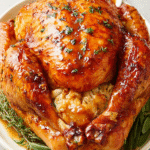
Classic Christmas Roast Turkey with Herb Butter and Gravy
Ingredients
- 1 12-14 lb whole turkey
- 1 cup unsalted butter softened
- 2 tablespoons fresh rosemary chopped
- 2 tablespoons fresh thyme chopped
- 2 tablespoons fresh sage chopped
- 4 cloves garlic minced
- Salt and freshly ground black pepper to taste
- 1 onion quartered
- 1 orange quartered
- 3 cups low-sodium chicken broth
- 3 tablespoons all-purpose flour
Instructions
- Thaw the turkey if frozen.
- Preheat the oven to 325°F (165°C).
- Prepare the herb butter mixture.
- Pat the turkey dry and season inside and out.
- Rub the herb butter under the skin and all over the turkey.
- Stuff the cavity with onion and orange quarters.
- Truss the turkey and place it on a roasting rack.
- Roast the turkey for approximately 3–4 hours.
- Remove the turkey and let it rest.
- Make the gravy using the drippings.
Notes
Additional serving suggestions: pair with a crisp salad, garlic bread, or roasted seasonal vegetables for balance.
For make-ahead, prep components separately and assemble just before heating to preserve texture.
Taste and adjust with acid (lemon/vinegar) and salt right at the end to wake up flavors.