Introduction
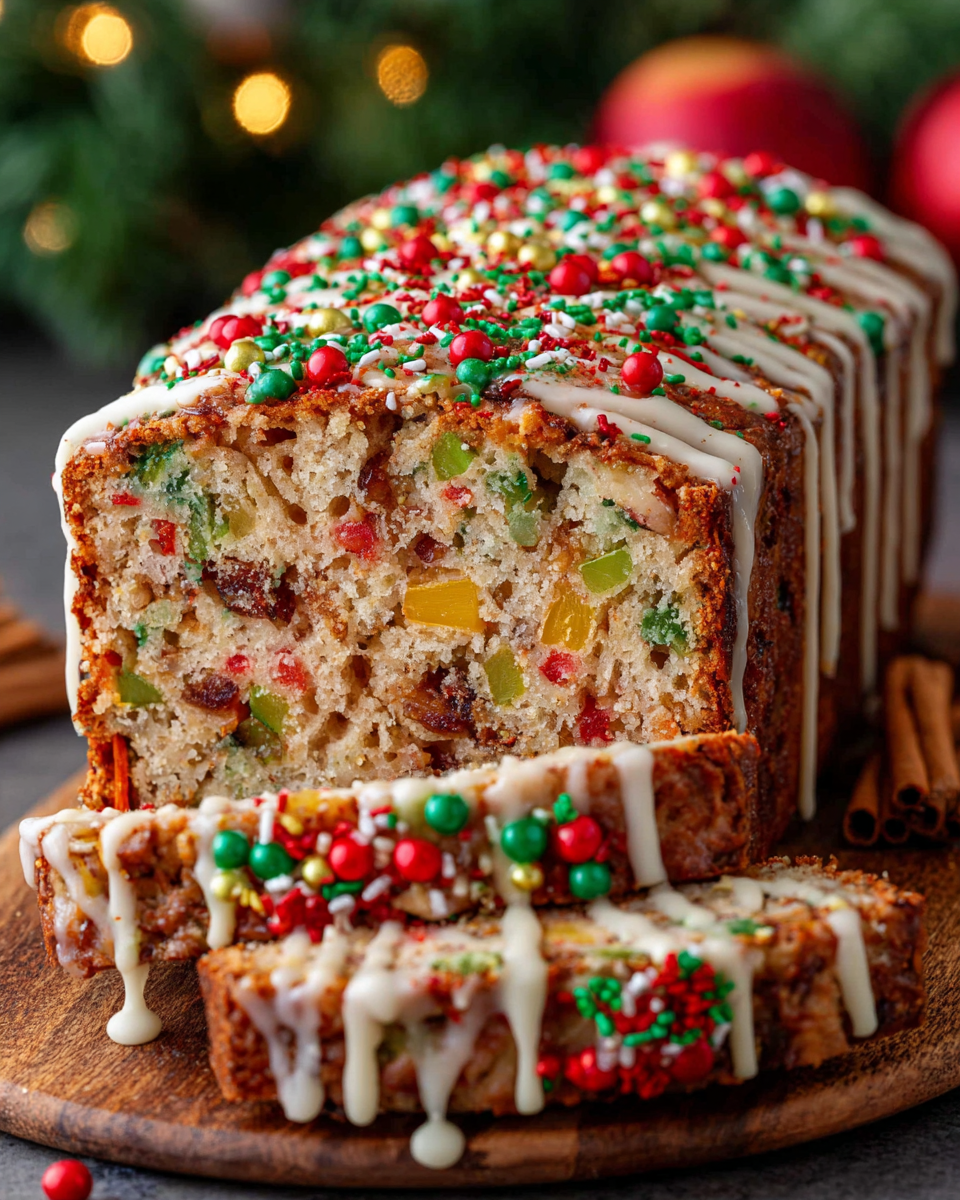
As the holiday season approaches, the aroma of freshly baked bread fills the air, evoking cherished memories and family traditions. One of the most beloved recipes during this time is the Festive Christmas Bread, a delightful centerpiece that not only tastes divine but also adds a warm glow to any festive gathering.
This bread, enriched with spices, dried fruits, and nuts, is not just about taste; it’s about the joy of baking and sharing. Kneading the dough and watching it rise is a sensory experience, connecting us to generations of home bakers. A slice of this bread, perhaps enjoyed with a warm beverage, is an invitation to slow down and savor the moment.
In this article, we’ll explore the ingredients and steps needed to create this holiday staple, ensuring that your home is filled with warmth, love, and the enticing aromas of Christmas.
Ingredients
- 4 cups all-purpose flour
The base of the bread, flour gives structure and stability. It acts as the backbone, allowing the bread to rise and hold its shape. - 1 cup warm milk (110°F)
Milk adds richness and moisture to the bread. The warmth helps activate the yeast, promoting a better rise. - 1/2 cup granulated sugar
Sugar not only sweetens the bread but also nourishes the yeast, helping it to ferment and create airy textures. - 1 packet (2 1/4 tsp) active dry yeast
Yeast is the magic that makes the bread rise. It ferments the sugars, producing carbon dioxide and resulting in fluffy bread. - 1/2 cup unsalted butter, softened
Butter adds flavor and moisture, enriching the bread and giving it a tender crumb. - 2 large eggs
Eggs enrich the dough with proteins and fats, enhancing flavor and contributing to a soft, pillowy texture. - 1 tsp salt
Salt enhances the overall flavor profile and strengthens the dough by tightening the gluten structure. - 1 tsp ground cinnamon
Cinnamon adds a warm, spicy note, a signature flavor of the festive season. - 1/2 cup mixed dried fruits (raisins, cranberries, or cherries)
Dried fruits contribute natural sweetness and chewiness, adding bursts of flavor in every bite. - 1/2 cup chopped nuts (walnuts or pecans)
Nuts provide a delightful crunch and earthy flavor, balancing the sweetness of the bread.
Directions & Preparation
Step 1: Combine warm milk, sugar, and yeast in a bowl.
Start by activating the yeast, a crucial step for a successful rise. Allow it to sit for approximately 5-10 minutes until it froths, indicating that the yeast is active and healthy.
Step 2: In a large mixing bowl, combine flour, salt, and cinnamon.
Mixing the dry ingredients thoroughly helps ensure even distribution of the salt and spices, leading to consistent flavor throughout the bread.
Step 3: Create a well in the center of the dry ingredients and add the yeast mixture, softened butter, and eggs.
Adding the wet ingredients to a well in the dry mix prevents clumping and ensures a uniform dough. This technique promotes easier mixing and a smoother texture.
Step 4: Knead the dough on a lightly floured surface.
Kneading is essential for developing gluten, which provides structure. Aim for a smooth, elastic dough that springs back when lightly pressed, typically about 8-10 minutes of kneading.
Step 5: Place the kneaded dough in a greased bowl and cover it.
Allowing the dough to rise in a warm place is critical. This step enables the yeast to ferment, increasing the dough's volume and creating those beautiful air pockets.
Step 6: After about an hour, check the dough’s rise, which should be doubled in size.
Punching down the dough releases excess gas and redefines the structure. This prepares the dough for shaping and a second rise.
Step 7: Fold in the dried fruits and nuts gently into the dough.
Incorporating fruits and nuts at this stage adds flavor and texture without damaging the gluten structure established through kneading.
Step 8: Shape the dough into a loaf and place it in a prepared baking pan.
Shaping helps create surface tension in the dough, encouraging a better rise. Ensure the loaf fits snugly in the pan for an even bake.
Step 9: Cover the shaped loaf and allow it to rise again, about 30-45 minutes.
A second rise, or proofing, helps develop flavor and texture. The dough should spring back slowly when pressed gently with a finger.
Step 10: Preheat your oven to 350°F and bake for 30-35 minutes.
Baking at the right temperature is crucial for ensuring a lovely golden crust while keeping the inside soft and moist. Check for a hollow sound when tapped on the bottom.
Step 11: Cool the bread on a wire rack before slicing.
Allowing the bread to cool completely ensures the crumb sets properly, making for cleaner slices. Freshly baked bread is tempting, but slicing too soon can lead to a gummy texture.

The Importance of Yeast in Bread Making
Yeast is the living organism that transforms simple dough into flavorful, airy bread. During fermentation, it produces carbon dioxide, which creates the bubbles that give bread its signature texture. Understanding how yeast activates and interacts with other ingredients can elevate your baking skills, allowing you to manage your dough more effectively.
Choosing the Right Dried Fruits and Nuts
The variety of dried fruits and nuts you choose can significantly affect the flavor and texture of your Christmas bread. Opting for a mix of sweet and tart fruits, like cranberries and raisins, can create a delightful balance. Similarly, using different nuts, such as almonds or hazelnuts, can change the bread's character, making each loaf a unique creation.
Creating the Perfect Bread Crust
The crust of the bread plays a vital role in the overall experience. Achieving a golden-brown crust involves proper oven temperatures and timing. Techniques such as steam baking and brushing with milk or butter before baking can enhance the crust's texture and flavor, making your festive Christmas bread not only delightful inside but also stunning on the outside.
FAQs
What should I do if my bread dough doesn't rise?
If your dough isn’t rising, check the freshness of your yeast. It may need warmer temperatures to activate, or you might need to adjust your ingredients, such as ensuring your milk wasn't too hot or cold.
Can I substitute fresh fruits for the dried ones?
Fresh fruits contain more moisture and can alter the dough's consistency. If you choose to use fresh, consider adjusting the liquid ingredients to accommodate their moisture content.
What can I do if my bread turns out too dry?
If the bread is dry, it may have baked too long or lacked sufficient hydration. Using a kitchen thermometer can help ensure perfect baking time at the correct temperature.
Is it possible to scale this recipe for a larger gathering?
Absolutely! Simply multiply the ingredient quantities by the number of loaves you want to make, keeping in mind that the rising times might vary with larger batches.
What can I do if my bread has a dense texture?
A dense texture often results from insufficient kneading or an inadequate rise. Ensure you knead the dough thoroughly and allow ample time for rising.
Can I add spices like nutmeg or ginger for a different flavor?
Absolutely! Adding spices can enhance the festive notes in your bread. Start with small amounts, adjusting to your taste to keep it balanced.
Conclusion
Baking Festive Christmas Bread is more than just preparing a delicious treat; it’s about creating lasting memories. As you knead and shape your dough, take a moment to appreciate the warmth it brings to your home.
Sharing slices of this bread with family and friends during the holidays can create connections that last far beyond the season. So roll up your sleeves, and get ready to enjoy a cozy baking experience that will fill your heart and home with joy.
Recipe Card
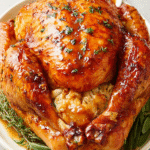
Classic Christmas Roast Turkey with Herb Butter and Gravy
Ingredients
- 1 12-14 lb whole turkey
- 1 cup unsalted butter softened
- 2 tablespoons fresh rosemary chopped
- 2 tablespoons fresh thyme chopped
- 2 tablespoons fresh sage chopped
- 4 cloves garlic minced
- Salt and freshly ground black pepper to taste
- 1 onion quartered
- 1 orange quartered
- 3 cups low-sodium chicken broth
- 3 tablespoons all-purpose flour
Instructions
- Thaw the turkey if frozen.
- Preheat the oven to 325°F (165°C).
- Prepare the herb butter mixture.
- Pat the turkey dry and season inside and out.
- Rub the herb butter under the skin and all over the turkey.
- Stuff the cavity with onion and orange quarters.
- Truss the turkey and place it on a roasting rack.
- Roast the turkey for approximately 3–4 hours.
- Remove the turkey and let it rest.
- Make the gravy using the drippings.
Notes
Additional serving suggestions: pair with a crisp salad, garlic bread, or roasted seasonal vegetables for balance.
For make-ahead, prep components separately and assemble just before heating to preserve texture.
Taste and adjust with acid (lemon/vinegar) and salt right at the end to wake up flavors.